A confident smile changes the way you meet the world. Beyond appearances, a well-crafted smile can influence self-image, social interactions, and how others perceive you. Porcelain veneers offer a controlled, predictable way to address many common cosmetic concerns so you can enjoy a natural-looking, long-lasting improvement without sacrificing healthy tooth structure whenever possible.
Porcelain veneers are designed for people who want to correct visible flaws in their front teeth—discoloration that won’t respond to whitening, small chips, uneven edges, narrow spacing, and teeth that are slightly misaligned or misshapen. They are a conservative alternative to more extensive restorative work because modern veneer techniques focus on preserving enamel while delivering a dramatic aesthetic result.
Not every smile requires veneers, and often simpler options like whitening or cosmetic bonding can achieve the desired appearance. However, veneers are particularly well suited when the problem involves both color and form, or when multiple teeth must be treated to create a harmonious, balanced result. A careful evaluation of oral health and bite function will determine whether veneers are the most appropriate path.
The decision to move forward with veneers should be based on a combination of cosmetic goals, dental health, and realistic expectations about maintenance and longevity. When planned and executed thoughtfully, veneers can deliver a natural-looking transformation that integrates seamlessly with the rest of your smile. The practice at Park Dental Wellness emphasizes individualized planning to help patients arrive at the option that best fits their needs.
Dental porcelain is favored for veneers because it mimics the optical qualities of tooth enamel. High-quality porcelain transmits and reflects light in a way that creates depth and translucency, which is essential to an authentic-looking restoration. Technicians and clinicians work together to select a shade and translucency that complement a patient’s skin tone and facial features for a result that is subtle rather than artificial.
Each veneer is custom-crafted to match the size, contour, and texture that best suits the patient’s smile. Skilled laboratory work produces thin, durable facings that layer over the tooth surface while maintaining a lifelike emergence profile at the gumline. Because porcelain resists staining better than many natural dental materials, veneers can retain their appearance for years when paired with appropriate oral hygiene and routine dental care.
Beyond aesthetics, contemporary porcelain is biocompatible and gentle on surrounding gum tissues when veneers are properly finished and polished. That careful attention to finish not only improves comfort but also helps prevent plaque accumulation around the margins, contributing to healthier soft tissues and a more natural overall appearance.
The treatment journey begins with a detailed consultation that addresses both cosmetic goals and dental health. Your clinician will review medical and dental history, evaluate bite relationships, and examine enamel thickness and gum health. Diagnostic photographs and digital imaging are often used to visualize potential outcomes and to plan the most conservative preparation possible.
When the plan is finalized, the tooth preparation phase typically involves removing a thin layer of enamel from the front surface of the teeth to create space for the veneers. The amount removed is minimal in many cases, preserving the underlying tooth while allowing the veneers to sit flush with adjacent teeth. Precise impressions or digital scans capture the prepared teeth and surrounding structures so the aesthetics team can craft veneers that fit and function correctly.
Temporary facings may be placed while the laboratory fabricates the final veneers. During the placement visit, each veneer is tried in, adjusted for fit and shade harmony, and bonded to the tooth with a durable resin cement. Final polishing and occlusal checks ensure comfortable function and a seamless look. Most patients report that once bonded, veneers feel like a natural extension of their teeth and integrate easily into everyday life.
Keeping veneers attractive and functional depends on routine oral care and sensible habits. Daily brushing with a non-abrasive fluoride toothpaste and flossing along the gumline help prevent decay and gum inflammation around the veneered teeth. Regular professional exams and cleanings allow the dental team to monitor margins, polish surfaces, and address minor issues before they progress.
Avoiding habits that place unusual force or abrasion on the front teeth is wise. Using teeth to open objects, biting hard foods like unpitted fruit or ice, and clenching or grinding can stress veneers over time; protective measures such as a custom nightguard may be recommended for patients who grind their teeth. If a veneer chips or becomes loose, prompt evaluation allows for conservative repair or replacement without compromising surrounding teeth.
While porcelain is stain-resistant, it is still important to maintain good oral hygiene and minimize heavy exposure to strong staining agents. Smoking and prolonged contact with dark beverages or foods can affect the appearance of adjacent natural teeth, which may alter overall color harmony; periodic professional polishing and color assessments help preserve a unified, natural-looking smile.
Candidacy for veneers is determined by a combination of oral health, cosmetic objectives, and the condition of the existing teeth. Healthy gums and an absence of active decay are prerequisites; issues such as uneven bite forces, severe enamel loss, or uncontrolled periodontal disease require attention before cosmetic work begins. In many situations, veneers are one component of a broader plan that might include orthodontics, gum recontouring, or restorative care to achieve the best long-term outcome.
Choosing veneers is a collaborative process. A thorough diagnostic phase and open discussion about expected results, maintenance needs, and potential alternatives help patients make an informed choice. When veneers are the selected approach, careful planning ensures the proportions, color, and texture of each restoration contribute to a cohesive, confident smile.
If you are considering cosmetic improvement of your front teeth and would like to learn whether porcelain veneers are the right solution, we can help you explore the options and create a plan tailored to your goals. Park Dental Wellness combines clinical experience with artistic detail to guide patients through the process and achieve results that look natural and feel comfortable.
In summary, porcelain veneers provide a conservative, customizable route to correct visible flaws and enhance the front teeth. When chosen and placed with attention to function and aesthetics, veneers can deliver a lasting, natural-looking smile. Contact us to learn more or to schedule a consultation so we can discuss whether veneers are the best choice for your smile goals.


Porcelain veneers are thin, custom-crafted shells of dental ceramic that bond to the front surfaces of teeth to improve color, shape and symmetry. They are designed to mimic the light-reflecting properties of natural enamel, creating depth and translucency that contribute to a lifelike appearance. Because veneers cover only the visible portion of a tooth, they provide a focused cosmetic solution without replacing the entire tooth structure.
The artistry of veneers allows clinicians and technicians to tailor contours, texture and shade to each patient’s facial features and smile goals. High-quality porcelain resists staining and maintains a natural sheen, helping veneers blend seamlessly with adjacent teeth. When planned and placed carefully, veneers can produce a cohesive, balanced smile that looks and feels natural.
Good candidates typically have healthy gums and no active tooth decay, and they seek to correct visible concerns such as stubborn discoloration, small chips, uneven edges or minor spacing and alignment issues. Veneers are particularly useful when both color and form need improvement across multiple front teeth to achieve a harmonious result. A clinical evaluation will confirm whether enamel thickness and bite relationships support a conservative veneer approach.
Some patients require preliminary treatments—such as restorative care, gum recontouring or orthodontic alignment—before veneers can be placed safely and predictably. During the consultation at Park Dental Wellness, the team assesses oral health, discusses alternatives and recommends the most conservative plan that meets each patient’s goals. This upfront planning helps ensure long-term success and a stable, attractive outcome.
The process begins with a detailed consultation that includes a review of dental history, photographic records and digital imaging to visualize potential outcomes. Once a treatment plan is agreed upon, the clinician prepares the teeth by removing a minimal amount of enamel to create space for the veneers and to ensure a natural emergence profile at the gumline. Precise impressions or digital scans are then taken so technicians can fabricate veneers that fit the patient’s bite and adjacent teeth.
While the laboratory crafts the final restorations, temporary facings may be placed to protect prepared teeth and preview changes in shape and shade. At the placement visit, each porcelain veneer is tried-in, adjusted for fit, shade and occlusion, and then permanently bonded with resin cement. Final polishing and bite checks complete the process, and most patients report that properly placed veneers feel like a natural extension of their own teeth.
With proper care and routine dental follow-up, porcelain veneers often provide many years of service and commonly last a decade or longer before a replacement becomes necessary. Longevity depends on factors such as oral hygiene, the strength of the patient’s bite, the presence of parafunctional habits like grinding, and the quality of the materials and bonding technique. Regular professional exams allow the dental team to monitor margins and address small issues before they progress.
Protective measures and sensible habits can extend the life of veneers, including the use of a custom nightguard for patients who clench or grind and avoiding using teeth to open objects. Prompt attention to chips, loosened margins or changes in bite will often permit conservative repairs rather than full replacement. Ongoing communication with your dental provider helps maintain both function and esthetics over time.
Daily care for porcelain veneers mirrors excellent general oral hygiene: brush twice a day with a non-abrasive fluoride toothpaste and floss gently along the gumline to prevent decay and inflammation around the restorations. Maintaining regular professional cleanings and exams lets the dental team check veneer margins, remove surface deposits and perform periodic polishing when needed. Good home care reduces the risk of complications and helps veneers retain their natural appearance.
Patients should also avoid habits that place excessive force on the front teeth, such as biting hard objects or using teeth as tools, because these can cause chipping or fracture. If you grind or clench, discuss a custom nightguard with your clinician to protect veneers and natural teeth. Additionally, minimizing prolonged exposure to highly staining substances and tobacco helps preserve color harmony between veneers and adjacent natural teeth.
Potential risks include transient tooth sensitivity after enamel preparation, gum irritation if margins are not properly contoured, and the possibility of chips or debonding if veneers are exposed to excessive force. In rare cases, underlying decay or fracture of the natural tooth may necessitate more extensive restorative care. Patients should understand that veneer placement is an irreversible process once enamel is removed, which underscores the importance of careful planning.
Many risks are mitigated through thorough diagnostics, conservative tooth preparation, precise laboratory work and careful bonding protocols. Adjustments to the bite and the use of protective appliances can reduce mechanical stress, while regular dental visits help identify and manage early signs of problems. Clear communication with your clinician about habits, expectations and follow-up care is essential to minimize complications.
Porcelain veneers differ from direct composite bonding in that veneers are fabricated in a laboratory and then bonded to the tooth, generally offering superior stain resistance, optical depth and long-term color stability. Composite bonding is completed chairside in a single visit and is more conservative initially, but it is typically more susceptible to staining and wear over time. Dental crowns provide full coverage and are indicated when a tooth needs structural reinforcement or has extensive damage beyond the front surface.
The choice among veneers, bonding and crowns depends on the amount of existing tooth structure, the nature of the cosmetic concern and functional considerations such as bite forces. Veneers are often the preferred option for purely cosmetic enhancements of the front teeth when adequate enamel remains, whereas crowns are chosen for teeth requiring significant structural restoration. Your clinician will weigh these factors to recommend the most appropriate, long-lasting solution.
Minor chips can sometimes be repaired conservatively with adhesive bonding materials that restore contour and function without replacing the entire veneer. The success of a repair depends on the extent and location of the damage and the condition of the remaining restoration and underlying tooth. A prompt dental evaluation helps determine whether repair or replacement is the most predictable option.
For more significant fractures or if the veneer has debonded, fabricating a replacement veneer may be necessary to restore ideal esthetics and longevity. After any repair or replacement, clinicians often recommend protective strategies such as occlusal adjustments or a nightguard to reduce the risk of repeat damage. Timely care and conservative management help preserve surrounding tooth structure and overall smile harmony.
Yes, properly planned veneers are intended to look natural and individualized by matching shade, translucency, shape and surface texture to a patient’s facial characteristics and remaining dentition. Dental laboratories work closely with clinicians to layer porcelain in a way that replicates enamel’s optical properties, and shade selection considers skin tone, lip position and the smile line. Attention to the emergence profile at the gumline and to surface anatomy contributes to a seamless, lifelike result.
Tools such as digital mockups, photographic simulations and try-in temporaries allow patients to preview changes and provide input before final bonding. Working with an experienced clinician and skilled ceramist—such as Dr. Linda M. Park and her team—helps ensure the final restorations harmonize with the patient’s overall appearance and personal preferences. Open communication about desired shape and brightness is essential to achieve a natural outcome.
During the consultation, your clinician will review your dental and medical history, perform a comprehensive oral exam, take photographs and digital scans, and discuss your cosmetic goals and expectations. The assessment includes evaluating gum health, tooth structure, bite relationships and any restorative needs that should be addressed before cosmetic treatment. Alternatives to veneers and the anticipated sequence of care are reviewed so you can make an informed decision.
The consultation also provides an opportunity to discuss maintenance requirements, potential risks and realistic outcomes based on your individual anatomy. If veneers are recommended, the team will outline the diagnostic and treatment steps and answer questions about timing and follow-up care. To schedule an evaluation or learn more about how veneers might enhance your smile, contact Park Dental Wellness to speak with a member of our team.
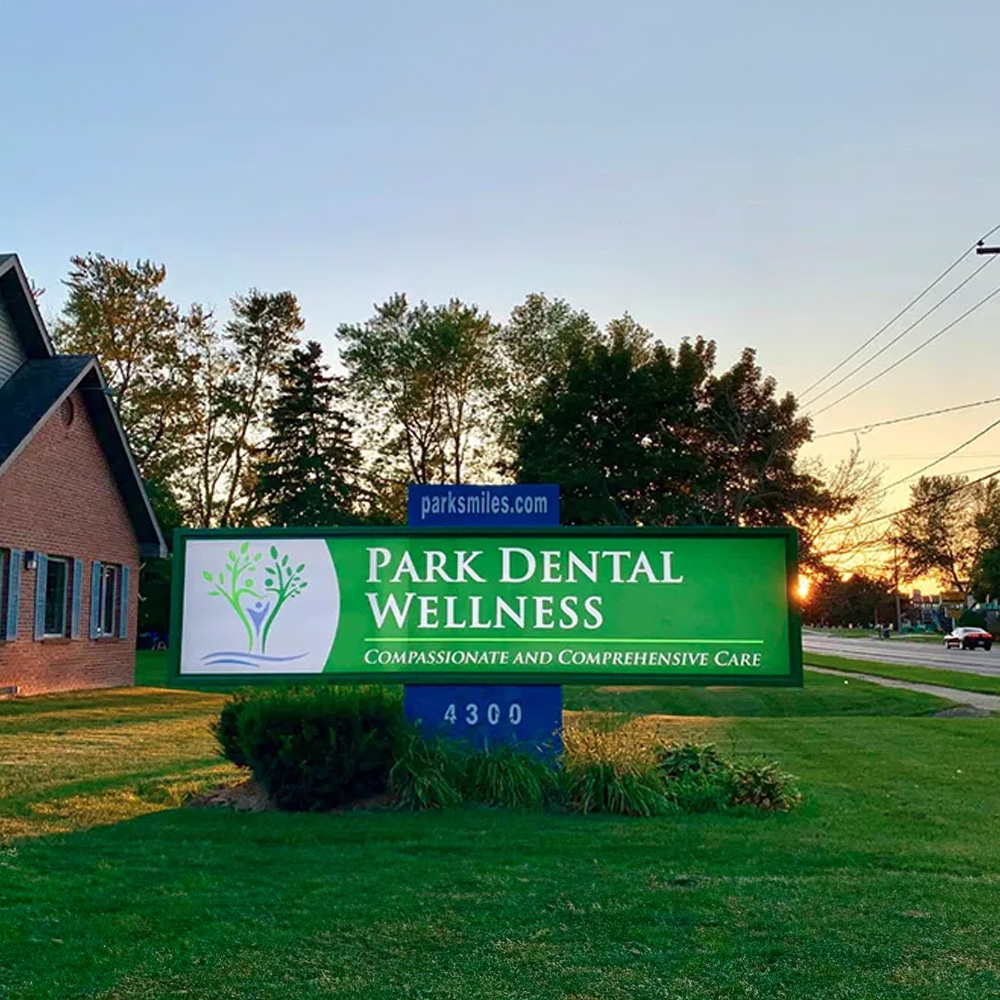
At Park Dental Wellness, reaching us is simple. Whether you have questions about treatments or are ready to schedule your next visit, our friendly team is here to guide you every step of the way. Call, email, or use our convenient online form—we’ll make sure your experience is easy, comfortable, and tailored to your needs.
Start your journey to a healthier, more confident smile today!