Traditional orthodontics refers to proven methods for guiding teeth and jaws into healthier, more functional positions using fixed appliances such as metal and ceramic braces. These systems rely on brackets bonded to the teeth, archwires that connect them, and periodic adjustments to deliver gentle, continuous forces that encourage predictable tooth movement. Though the tools have evolved, the underlying biological principles—controlled remodeling of bone and connective tissues—remain the foundation of reliable, long-term results.
Choosing traditional braces often comes down to the complexity of the case and the specific goals of treatment. For significant crowding, large bite discrepancies, or cases that require precise control of individual tooth movements, fixed appliances remain a highly effective option. They offer consistent force application and fine-tuned mechanics that allow clinicians to address both cosmetic concerns and functional bite relationships.
When orthodontic care begins, a thorough examination evaluates tooth alignment, jaw relationships, facial proportions, and periodontal health. This assessment guides the treatment plan and determines whether traditional braces, sometimes in combination with auxiliary devices, are the best path to a stable, healthy outcome. The objective is not only a straighter smile but an improved ability to bite, chew, speak, and maintain oral hygiene.
Over the course of treatment, patients work closely with their clinician to monitor progress and adjust mechanics as needed. Regular visits provide an opportunity to fine-tune the forces applied to the teeth and to address oral hygiene, comfort, and any appliance-related concerns. With careful oversight and good patient cooperation, traditional orthodontics delivers results that are both predictable and durable.
A straight smile is immediately recognizable, but the benefits extend well past appearance. Proper alignment reduces hidden places where plaque accumulates, making brushing and flossing more effective and lowering the risk of tooth decay and gum disease. When teeth fit together correctly, the distribution of biting forces is more even, which helps protect tooth structure and reduces the chance of excessive wear.
Good alignment also supports comfortable jaw function. When the upper and lower teeth meet as intended, the temporomandibular joints and surrounding musculature operate more efficiently. This alignment can lessen the likelihood of headaches, jaw pain, and muscle strain linked to a dysfunctional bite. In many cases, orthodontic correction improves not only the mouth but the comfort of the entire head and neck region.
Orthodontic treatment is an investment in long-term oral health. Misaligned teeth are more vulnerable to accidental damage because they may protrude or lack sufficient protection from the lips and cheeks. Similarly, uneven contact patterns can create localized stress points that accelerate wear, chips, or fractures. Addressing alignment proactively helps preserve teeth for years to come.
Finally, alignment influences overall well-being. Clear speech, confident eating, and decreased dental maintenance burdens are all practical improvements that result from stable, well-planned orthodontic correction. For many patients, these functional gains are as meaningful as the visible enhancement to their smile.
Traditional braces are a carefully orchestrated system of brackets, wires, and sometimes springs or elastics. Brackets are attached to the teeth and serve as anchors; archwires thread through the brackets and exert force in a controlled direction. Over time, that pressure encourages bone to remodel around moving teeth so they relocate into new, healthier positions. Adjustments at scheduled appointments allow the clinician to guide the sequence and rate of movement.
Modern bracket designs are smaller and more comfortable than earlier generations, and ceramic options offer a more discreet appearance while maintaining effective control. Ancillary components—such as elastic bands, coil springs, or temporary anchorage devices—may be employed to address specific tooth movements, correct bite relationships, or control anchorage. Each appliance choice is tailored to the individual plan developed during the diagnostic phase.
Oral hygiene takes on added importance when wearing fixed appliances. Brushing and interdental cleaning around brackets and wires prevents plaque buildup and protects the health of teeth and gums throughout treatment. Clinicians also provide guidance on foods and habits to avoid and will monitor periodontal conditions to ensure healthy tissues support the moving teeth. With attentive care, most patients navigate treatment with few complications.
Appointment intervals typically focus on progress checks and adjustments. These visits are opportunities to assess movement, make mechanical changes, and address any questions about comfort or care. The duration of active treatment varies by case complexity, but the key to a successful outcome is a combination of an individualized plan, consistent clinical oversight, and patient cooperation.

Determining the best appliance starts with diagnostic imaging and careful clinical assessment. Factors such as the severity of crowding or spacing, the relationship between the upper and lower jaws, and whether extractions or surgical support are necessary all influence the recommended approach. Traditional braces offer versatile solutions when precise tooth movement and bite correction are priorities.
Patient lifestyle and aesthetic preferences also play a role. While some prefer the control that fixed appliances provide, others seek less visible alternatives when appropriate. A thoughtful discussion with your clinician will weigh the mechanical advantages of braces against comfort and visual concerns to arrive at a plan aligned with your goals.
Regardless of the appliance chosen, predictable outcomes depend on proper planning, staged mechanics, and regular monitoring. When traditional braces are indicated, they provide a reliable pathway to results that are both functionally sound and long-lasting.
Orthodontics is not limited by age. Early evaluation—often by the time a child has their first permanent molars and incisors—allows clinicians to identify developing problems and determine whether early intervention is advisable. In some instances, a phased approach takes advantage of a child’s growth to simplify later treatment; in other cases, monitoring until a later stage is the best strategy.
For adolescents, addressing malocclusions during growth can be highly effective. Brackets and standardized appliances remain a mainstay for aligning permanent teeth and fine-tuning bite relationships as the jaws mature. Teen patients often benefit from the efficiency and precise control that fixed appliances allow, particularly in more complex cases.
Adult orthodontics has grown substantially as treatment options and aesthetics choices have improved. Adults commonly present with long-standing alignment issues, previous restorations, or periodontal considerations that must be managed alongside tooth movement. Traditional braces are often used in adult care, either alone or in combination with restorative or periodontal therapy, to achieve stable and comprehensive results.
Whatever the age, the success of treatment depends on a clear plan that accounts for dental health, periodontal status, and realistic expectations. Collaboration between the patient and clinical team ensures that the chosen course of care addresses both functional needs and personal priorities.

Orthodontic care often intersects with other dental specialties. Restorative concerns, periodontal health, and airway considerations can influence timing and mechanics. A comprehensive approach coordinates these elements so that tooth movement supports long-term oral health and integrates seamlessly with other treatments when needed.
Communication among providers and a clear sequence of procedures—such as preparing a tooth for a crown after alignment or stabilizing gums before moving teeth—helps maintain both the health and aesthetics of the smile. This integrated approach produces outcomes that are not only beautiful but sustainable.
The end of active tooth movement marks the beginning of a new phase: retention. Teeth naturally tend to drift toward their original positions as soft tissues and fibers settle. Retainers provide the support needed while the surrounding structures reorganize, helping to lock in the improvements achieved during treatment. Retention protocols are tailored to the individual and can include fixed or removable options.
Long-term stability is supported by good oral hygiene, periodic professional care, and attention to habits that can influence alignment. Nighttime clenching, tongue posture, or unresolved periodontal issues can affect teeth over time; addressing these factors reduces the likelihood of relapse. Regular check-ins with the orthodontic team help identify early signs of change and allow for timely intervention.
For many patients, the investment in retention pays dividends for a lifetime. Simple practices—wearing retainers as directed, maintaining healthy gums, and seeking prompt care for drifting teeth—preserve the functional and aesthetic benefits of orthodontic treatment for years to come.

At Park Dental Wellness, our approach to traditional orthodontics emphasizes careful diagnosis, individualized mechanics, and ongoing support through treatment and retention. We combine clinical experience with modern tools to deliver predictable outcomes that prioritize oral health and patient comfort.
If you’re considering orthodontic care and want to learn how traditional braces could address your needs, please contact us for more information. Our team is ready to explain options, outline what to expect, and help you take the next step toward a healthier, more confident smile.
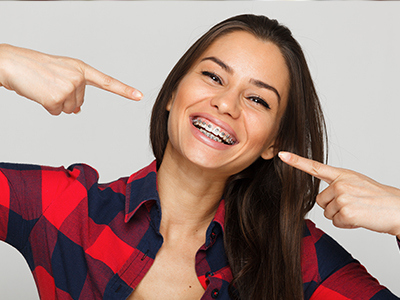

Traditional orthodontics uses fixed appliances such as metal and ceramic braces to guide teeth and jaws into healthier, more functional positions. Brackets bonded to teeth and archwires apply controlled forces that stimulate bone remodeling and connective tissue adaptation. These biological principles allow clinicians to plan predictable tooth movement and achieve long-term stability.
Treatment addresses both cosmetic alignment and functional bite relationships by sequencing forces and mechanics. Careful diagnosis, imaging, and periodontal assessment guide appliance choice and the overall plan. When indicated, auxiliaries like springs, elastics, or temporary anchorage devices enhance control for specific movements.
Brackets act as anchors while archwires deliver directional forces that encourage cellular activity in bone and ligament structures. Under these forces bone is resorbed on one side and deposited on the other, allowing the tooth to shift to a new position. Adjustments change the magnitude and direction of force to control the sequence and timing of movement.
Auxiliary components such as elastics, coils, and springs provide targeted mechanics for rotations, space closure, or bite correction. Treatment planning determines when and how these devices are used to achieve biomechanical goals. Close monitoring ensures movement proceeds safely and efficiently while protecting surrounding tissues.
Traditional options include stainless steel brackets and tooth-colored ceramic brackets, both fixed to the tooth surface for continuous control. Contemporary bracket designs are smaller and more comfortable than older models, with low-profile bases and smoother edges. Ligatures, self-ligating systems, and esthetic ceramic options offer tradeoffs between visibility, friction, and ease of hygiene.
Aside from bracket materials, clinicians may recommend fixed appliances with bands, lingual placement, or hybrid approaches depending on mechanics required. Choosing an appliance balances mechanical needs, periodontal health, and patient preferences for appearance. Your clinician will explain the benefits and limitations of each option during the diagnostic phase.
Candidates include children, adolescents, and adults who need precise control of complex tooth movements or correction of significant bite discrepancies. Early evaluation can identify developing problems that benefit from phased treatment, while adult patients may require coordination with periodontal or restorative care. A thorough clinical exam and imaging help determine whether fixed appliances are the preferred approach for a stable outcome.
Factors such as tooth crowding, spacing, rotational issues, and the relationship between the jaws influence candidacy. Good oral hygiene and realistic expectations are important predictors of treatment success. When necessary, clinicians integrate other therapies to optimize dental health before and during orthodontic movement.
Maintaining excellent oral hygiene is essential when wearing fixed appliances to prevent plaque buildup, decay, and gum inflammation. Patients should brush thoroughly around brackets and along the gumline, floss daily using threaders or interdental brushes, and follow any specific recommendations from the clinician. Avoiding hard, sticky, or overly chewy foods reduces the risk of broken brackets and prolonged treatment.
Regular professional cleanings and periodontal monitoring support tissue health throughout movement. The clinical team will provide practical tips and tools to make daily care manageable while appliances are in place. Prompt attention to soreness, loose components, or unusual symptoms helps maintain steady progress.
Adjustment visits focus on assessing progress, changing archwires, and modifying auxiliaries to guide the next phase of movement. Clinicians evaluate tooth positions, bite relationships, and the condition of the soft tissues at each visit to ensure treatment is proceeding as planned. Small discomfort or pressure is common after adjustments and typically subsides within a few days.
Appointments also provide an opportunity to reinforce hygiene instructions and address appliance-related concerns. In some cases the team will take records or make minor repairs during the visit to maintain optimal mechanics. Consistent attendance at scheduled visits is a key component of achieving predictable results.
Treatment duration varies with the complexity of the case, the amount of movement required, and patient factors such as growth and compliance. Many cases are completed within a defined treatment window that the clinician estimates during planning, but adjustments to the timeline can occur as care progresses. The focus is on achieving a stable, functional outcome rather than meeting a fixed deadline, so thorough oversight is essential.
Retention and follow-up after active movement are part of the overall timeline and contribute to lasting results. Your orthodontic team will discuss realistic expectations for duration and milestones during consultation and review them throughout care. Open communication about any concerns helps the clinician tailor mechanics and pacing to individual needs.
At Park Dental Wellness orthodontic planning is coordinated with restorative, periodontal, and airway-focused treatments to ensure movement supports long-term oral health. This integrated approach sequences restorative work, gum therapy, or surgical procedures when needed so that tooth alignment enhances overall treatment outcomes. Collaborative planning and clear communication between providers help avoid conflicts and produce cohesive results.
When crowns, implants, or periodontal stabilization are part of a patient’s needs, the orthodontic phase is timed to complement those procedures. The team monitors tissue health and occlusion throughout to maintain function and aesthetics. Coordination reduces the need for rework and supports a predictable, sustainable smile.
Retention prevents teeth from drifting back toward their original positions while soft tissues and fibers reorganize after active movement. Retainers can be removable or fixed, and the choice depends on the individual’s pattern of movement, periodontal health, and lifestyle. Your clinician will design a retention plan that balances convenience with the level of support needed to preserve results.
Long-term stability also depends on managing habits such as nighttime clenching, tongue posture, and any periodontal conditions that affect tooth support. Periodic check-ins allow the team to detect early changes and reinforce retainer wear as necessary. Adherence to retention instructions is the most reliable way to protect the investment in orthodontic treatment.
To begin the process schedule an initial consultation so the team can complete a diagnostic exam, discuss goals, and review treatment options tailored to your needs. The consultation typically includes a clinical evaluation, imaging as appropriate, and a discussion of mechanics and sequencing to achieve the desired outcome. This visit is also a chance to review oral health requirements and determine whether adjunctive care is recommended before starting orthodontics.
To schedule an appointment call Park Dental Wellness at (810) 776-2060 or visit our office at 4300 E Court Street, Burton, MI 48509 for further assistance. Our team will explain next steps and coordinate any necessary records or preparatory care prior to appliance placement. Clear communication during this phase sets the foundation for a well-managed, comfortable treatment experience.
At Park Dental Wellness, reaching us is simple. Whether you have questions about treatments or are ready to schedule your next visit, our friendly team is here to guide you every step of the way. Call, email, or use our convenient online form—we’ll make sure your experience is easy, comfortable, and tailored to your needs.
Start your journey to a healthier, more confident smile today!