A brighter smile can change how you feel about yourself and how others see you. At the office of Park Dental Wellness, we combine clinical precision with a gentle, patient-focused approach to help people achieve teeth that look healthy and natural. Whether you want a subtle refresh or a more noticeable improvement, modern whitening options make it possible to lift stains and rejuvenate your smile with predictable results.
If your teeth look dull, stained, or uneven in color, there’s no need to worry — many common factors contribute to discoloration, and most are treatable. Professional whitening treatments can remove or reduce surface and intrinsic stains far more effectively than over-the-counter products, and they are delivered under careful dental supervision to protect your oral health.
We use contemporary whitening systems that prioritize safety, comfort, and consistent results. Before recommending a plan, we assess your teeth, restorations, and overall oral health so your final smile looks harmonious and feels comfortable long after treatment.
No two smiles are the same, and an effective whitening plan begins with a conversation. During your initial visit we review the current shade of your teeth, your daily habits, and any cosmetic priorities you have. That information guides whether an in-office procedure, a supervised take-home kit, or a staged combination of both will best meet your expectations.
Some patients prefer a single, dramatic in-office session that produces noticeable change quickly; others choose a slower, more gradual approach with custom trays for at-home use. We'll explain the advantages of each option, how many sessions are typical, and what kind of maintenance is realistic based on your lifestyle.
Comfort and predictability are central to our approach. We adjust concentration, application time, and sensitivity-management strategies to suit each patient, and we monitor progress so outcomes align with your cosmetic goals without compromising dental health.
Tooth color is influenced by a mix of external and internal factors. Surface stains usually arise from foods, dark beverages, and tobacco; these tend to respond well to professional cleaning and bleaching. Internal discoloration can result from genetics, certain antibiotics taken during tooth formation, trauma, or large restorations, and may be less responsive to bleaching alone.
Aging also affects shade: over time enamel thins and the naturally darker dentin underneath becomes more visible, giving teeth a more yellow appearance. Identifying whether staining is superficial or intrinsic helps us set realistic expectations and select the most appropriate treatment.
It’s important to remember that whitening works on natural tooth structure only — materials like crowns, veneers, and older composite fillings won’t lighten the same way. Part of our assessment includes reviewing existing restorations and discussing how to harmonize their appearance with your new shade if needed.
The market contains many whitening products, from whitening toothpastes and strips to rinse products and single-use gels. While some over-the-counter solutions can mildly improve surface stains, they generally use lower concentrations of active ingredients and lack personalized safeguards against sensitivity or uneven results.
Professional systems offer higher-performing agents applied in controlled ways, plus the benefit of a dental exam beforehand to catch cavities, gum disease, fractures, or exposed root surfaces that could make whitening inappropriate or uncomfortable. Under our supervision, whitening is safer and more predictable than unsupervised home attempts.
Choosing professional care also reduces the risk of damaging soft tissues or aggravating existing dental work. If whitening is unlikely to meet your goals—because of non-responding intrinsic color or incompatible restorations—we’ll discuss alternative cosmetic solutions that deliver a more satisfactory outcome.
Most professional whitening relies on peroxide-based bleaching agents (hydrogen peroxide or carbamide peroxide) that penetrate enamel and chemically alter stain molecules so they appear lighter. Concentrations and delivery methods differ between in-office applications and customized at-home trays, but the underlying chemistry is similar: oxidation breaks down colored compounds.
In-office procedures typically use a higher concentration of peroxide applied by a dental professional, sometimes combined with protective barriers and desensitizing measures. These sessions can produce immediate, dramatic improvement. Take-home systems use lower concentrations inside custom-fitted trays, allowing for gradual whitening over several days or weeks while remaining highly controlled and supervised by your dentist.
Both methods can be effective when chosen to match your needs. We select the right approach by evaluating enamel condition, existing restorations, and sensitivity history, and we provide clear instructions to maximize effectiveness and minimize discomfort.
Whitening is broadly safe when performed under dental supervision, but it isn’t universally appropriate. We don’t recommend bleaching for untreated cavities, active gum disease, or exposed root surfaces; in those situations we address the underlying issue first. Temporary sensitivity is common but manageable with desensitizing agents and careful technique.
Not all stains respond equally. Yellowish discoloration usually brightens well, while brown, gray, or tetracycline-related staining may need more time, higher-intensity protocols, or complementary treatments like veneers or bonding to achieve the desired result. During your consultation we’ll outline likely outcomes and help you choose the path that balances longevity, appearance, and oral health.
Because restorations won’t change shade, we’ll review the state of crowns, veneers, and fillings up front. If replacing restorations is part of your aesthetic plan, coordinating those updates after whitening helps ensure a cohesive, natural-looking smile.
Be mindful of staining foods and beverages
For the first 48 hours after in-office whitening, teeth are more prone to staining. Limiting coffee, tea, red wine, dark sodas, and deeply pigmented foods during this window helps preserve initial gains. Over the long term, moderating these items will extend your results.
Avoid tobacco
Smoking and chewing tobacco quickly redeposit surface stains and accelerate yellowing. Reducing or quitting tobacco not only helps your whitening outcomes but also improves oral and overall health.
Expect some transient sensitivity
Slight sensitivity to temperature is common after whitening and usually resolves in a few days. Desensitizing toothpastes, brief rests between applications, and professional-recommended products can keep discomfort minimal.
Understand what changes and what doesn’t
Whitening brightens natural enamel but does not affect existing crowns, veneers, or fillings. If restoration color is a concern, discuss options for replacement or complementary cosmetic work after whitening is complete.
Maintain results with good oral hygiene and touch-ups
Regular brushing, flossing, and routine dental cleanings slow the return of surface stains. Many patients benefit from periodic touch-ups with a take-home tray or in-office maintenance to keep a bright, even shade over time.
At Park Dental Wellness, our priority is a bright smile that’s healthy, comfortable, and right for your individual needs. If you’re considering whitening or want to know which approach will deliver the best, longest-lasting outcome for your smile, please contact us for more information.


Dental practices generally offer two primary professional whitening pathways: an in-office procedure and a supervised take-home system, and some patients benefit from a staged combination of both. In-office treatments use higher-concentration peroxide applied by a clinician to achieve faster, more noticeable change in a single visit, while custom take-home trays use lower concentrations for gradual whitening at home. Your dentist will tailor the choice based on enamel condition, sensitivity history, and the shade change you want to achieve.
Custom tray systems are made from impressions or digital scans so the bleaching gel contacts tooth surfaces evenly, and they allow precise control over application time and frequency. Combination plans may begin with an in-office session to jump-start results and continue with take-home trays for fine tuning and maintenance. All professional options are delivered under dental supervision to reduce risk and promote predictable outcomes.
Professional whitening products rely on peroxide-based bleaching agents such as hydrogen peroxide or carbamide peroxide to oxidize pigmented molecules within the enamel and dentin. These agents penetrate the tooth structure and break long-chain stain compounds into smaller, less-visible fragments so the teeth appear lighter. Concentration and contact time differ between in-office and take-home approaches, but the underlying chemical process is the same.
Because the mechanism involves chemical alteration rather than simple abrasion, whitening is effective for many surface and some intrinsic stains but has limits when discoloration is deeply ingrained or caused by certain medications. The clinician controls concentration and exposure to balance effectiveness and sensitivity, and monitors results to determine whether additional sessions or alternative treatments are needed. Proper clinical oversight also helps protect soft tissues and existing dental work during the process.
Ideal candidates for whitening have healthy teeth and gums and primarily extrinsic or mild intrinsic staining that responds to oxidation. We do not proceed with whitening until active decay, gum disease, or exposed root surfaces are treated, because those conditions can increase discomfort or lead to uneven results. Your dentist will evaluate restorations, enamel thickness, and any history of sensitivity before recommending a plan.
Certain types of intrinsic discoloration, such as severe tetracycline staining or discoloration from trauma, may respond poorly to bleaching alone and often require restorative or cosmetic approaches instead. Teeth with large restorations will not lighten, so shade coordination or replacement of restorations may be part of a comprehensive aesthetic plan. A consultation establishes realistic expectations and identifies the safest, most effective path for your smile.
Longevity varies with individual habits, diet, and oral hygiene, but many patients enjoy noticeably lighter teeth for months to years with proper care. Avoiding or moderating staining foods and beverages like coffee, tea, red wine, and highly pigmented sauces helps prolong results, and quitting tobacco use significantly reduces the rate of relapse. Routine dental cleanings and disciplined brushing and flossing also slow the return of surface discoloration.
Periodic touch-ups with your custom trays or occasional in-office maintenance sessions can restore brightness when gradual staining returns. Your dentist can recommend a maintenance schedule based on how quickly your teeth darken and your lifestyle, and providing occasional at-home top-ups is a common, effective strategy. Keeping realistic expectations about natural aging and enamel changes helps you plan long-term care for a consistent smile.
Temporary sensitivity is a common side effect of whitening, especially with stronger in-office systems, but it typically resolves within a few days to a couple of weeks after treatment. Clinicians use desensitizing agents, lower concentration options, shorter application times, and post-treatment care to minimize discomfort and protect tooth structure. When performed under dental supervision, professional whitening does not permanently damage healthy enamel.
Individuals with thin enamel, exposed roots, or preexisting sensitivity require special consideration and may be directed toward gentler protocols or alternative cosmetic options. If sensitivity is significant, the dentist can pause treatment and recommend remineralizing agents, desensitizing toothpaste, or a different technique to achieve a balance of comfort and whitening effect. Ongoing monitoring ensures that treatment stays within safe clinical parameters.
Over-the-counter whitening products like strips and toothpastes use lower concentrations of active ingredients and deliver less predictable, often subtler results than professionally supervised systems. Professional options provide higher-performing agents, custom fit trays or clinician-applied gels, and an initial dental exam to identify issues that could compromise safety or outcomes. Supervision also reduces the risk of soft-tissue irritation, uneven whitening, or exacerbation of sensitivity.
While some OTC products can help maintain results between professional visits, they are not a substitute for a personalized treatment plan when you want significant or long-lasting change. Your dentist can advise which retail products are compatible with your professional plan and demonstrate safe usage to minimize harm. Choosing a clinician-guided approach improves predictability and helps achieve a shade that harmonizes with your overall dental work.
Whitening brightens natural tooth structure but does not change the color of dental materials such as porcelain crowns, veneers, or composite fillings. Because restorations remain the same shade, coordinating their appearance with newly whitened teeth often requires planning, and replacement or recontouring of restorations may be suggested after whitening for a harmonious smile. Discussing existing restorations during the consultation allows the dentist to create a cohesive aesthetic strategy.
In some cases the practice will recommend whitening first and then take final shades for restorative work so new crowns or veneers match the post-whitening color. This sequence avoids mismatched restorations and helps ensure consistent, natural-looking results. Your dentist will outline timing and options so restorative updates integrate smoothly with your cosmetic goals.
During the consultation the clinician performs a comprehensive oral exam to check for cavities, gum disease, exposed roots, or other conditions that should be addressed before whitening. The dentist evaluates your current shade, discusses your goals, reviews your dental and sensitivity history, and explains realistic outcomes based on the type of staining present. This visit is also the time to compare in-office and take-home options and to decide on a personalized plan.
If a take-home system is chosen, impressions or digital scans are taken to fabricate custom trays, and clear instructions are provided about application times and follow-up. If in-office treatment is planned, the clinician will describe chairside steps, sensitivity-management measures, and any necessary protective barriers for gums and soft tissues. The consultation establishes expectations, timing, and a pathway to achieve a safe, effective result.
Whitening is typically reserved for adult teeth; younger patients with recently erupted permanent teeth or developing dentition should be evaluated carefully because enamel thickness and tooth maturity affect both safety and results. For adolescents, the dentist will weigh the cause of discoloration, the tooth development stage, and appropriate alternatives before recommending a bleaching protocol. Parental consent and professional guidance are essential when evaluating whitening for younger individuals.
Pregnant and nursing patients are generally advised to postpone elective whitening until after pregnancy and breastfeeding because research on bleaching safety in these populations is limited. Your dental team will recommend delaying treatment and can suggest conservative cosmetic or hygiene options in the interim. Always inform your dentist about pregnancy, nursing, and any medications before proceeding with elective cosmetic care.
Severe intrinsic stains from tetracycline use, long-standing trauma, or developmental conditions can be resistant to conventional bleaching and often require a tailored approach that may include multiple whitening sessions or alternative cosmetic treatments. Internal bleaching can sometimes address discoloration within a previously root-treated tooth, but many cases are better served by veneers, bonding, or crowns to achieve uniform color. Your dentist will assess the depth and cause of discoloration to recommend the most predictable solution.
When restorative options are considered, clinicians often whiten the surrounding natural teeth first and then match or replace restorations to the new shade so the final result appears cohesive. A staged plan ensures longevity and reduces the risk of mismatch between natural enamel and dental materials. The treatment pathway balances improvements in color with structural needs and long-term oral health.
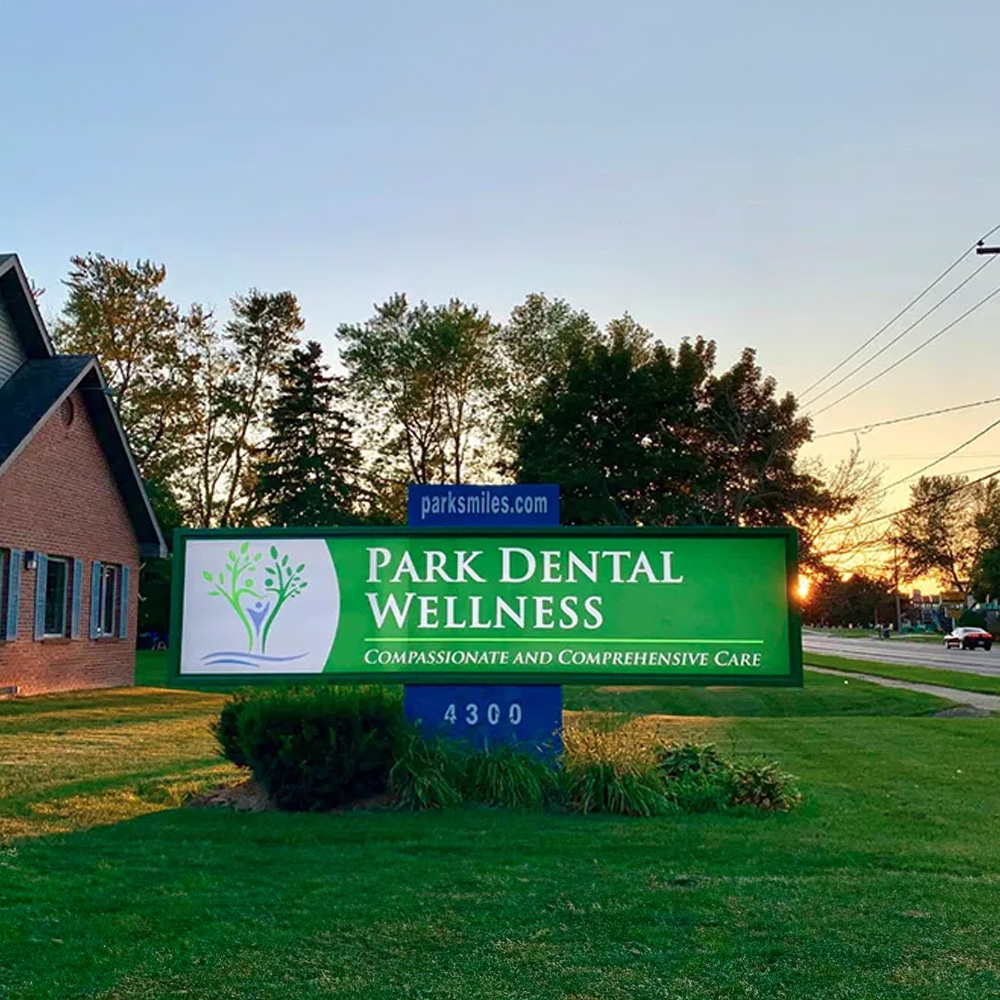
At Park Dental Wellness, reaching us is simple. Whether you have questions about treatments or are ready to schedule your next visit, our friendly team is here to guide you every step of the way. Call, email, or use our convenient online form—we’ll make sure your experience is easy, comfortable, and tailored to your needs.
Start your journey to a healthier, more confident smile today!