At the office of Park Dental Wellness, we believe preventive dental care is the foundation of a lifetime of health and confidence. Oral health is closely connected to overall well-being — many chronic conditions are linked to persistent inflammation and infections that can begin in the mouth — so staying ahead of small problems prevents larger, more complex issues later. Our preventative program is designed to be practical, clear, and tailored so patients of all ages can preserve function, comfort, and smiling with ease.
Routine dental care does more than keep teeth looking good; it reduces the daily bacterial load that can trigger local and systemic inflammation. Untreated cavities, persistent gum inflammation, and oral infections create pathways for bacteria and inflammatory mediators to affect other parts of the body. By catching early signs of disease, a structured prevention plan lowers the likelihood of dental emergencies and supports long-term health.
Regular visits also create opportunities for targeted screenings. Oral cancer checks, assessments for early gum disease, and evaluations for signs of bruxism or airway concerns are components of a comprehensive preventive exam. Detecting changes early means simpler interventions and a quicker return to normal function, which is better for both your dental health and your general wellness.
Prevention is especially important because many oral problems progress quietly. Small white spots, mild bleeding during brushing, or intermittent sensitivity may not hurt enough to prompt an immediate visit, yet they often mark the start of a process that becomes more involved to treat over time. With consistent monitoring, those early signs are treated efficiently and with less impact on your daily life.
A contemporary preventive appointment blends evidence-based clinical care with patient-centered education. During a routine visit you can expect a careful oral exam, professional cleaning to remove plaque and tartar, and a review of any changes since your last visit. We use diagnostic tools to evaluate hard and soft tissues and focus on identifying issues at the earliest, most treatable stages.
Beyond basic cleaning and inspection, preventive visits are an opportunity to evaluate risk factors unique to each patient. This includes assessing gum health, checking for early decay, reviewing medication-related dry mouth concerns, and noting lifestyle contributors like diet and tobacco use. The goal is an individualized plan that reflects your circumstances rather than a one-size-fits-all checklist.
Documentation and follow-up are also part of the process. Clear communication about findings, explained in understandable terms, helps you make informed choices about home care and scheduling. When additional care is necessary, we aim to prioritize treatments that preserve tooth structure and maintain comfort, always aligned with your long-term oral health goals.
Daily habits are the most powerful component of prevention. Brushing twice a day with a fluoride toothpaste and daily interdental cleaning — whether with floss, interdental brushes, or other recommended tools — significantly lowers the risk of cavities and gum disease. Simple changes in technique and timing often make home care more effective without requiring extra time.
Diet and hydration play a major role as well. Frequent consumption of sugary or acidic foods and beverages increases the risk of enamel erosion and decay. Encouraging healthier snack choices, rinsing with water after meals, and maintaining steady hydration helps protect enamel and supports saliva function, which is a natural defense against bacteria.
For many patients, habit formation is the challenge. Strategies we recommend include pairing oral hygiene with an established daily routine (for example, brushing after a morning shower), using digital reminders, and selecting dental products that match your needs. When patients understand the "why" behind each step, adherence improves and outcomes follow.
Early prevention sets the stage for a lifetime of healthier teeth. For children, routine dental visits are about establishing positive experiences, identifying risk factors for decay, and applying preventive measures that have a strong evidence base. Age-appropriate instruction and gentle coaching teach children effective brushing and flossing techniques they can carry forward.
In addition to daily home care, specific preventive options such as topical fluoride applications and dental sealants can be part of a pediatric prevention strategy. These measures strengthen enamel and shield vulnerable chewing surfaces from decay, reducing the need for restorative work as children grow. Timing and selection of interventions are guided by each child’s development and risk profile.
Parents play a central role in prevention. We provide practical guidance on diet, habits like thumb-sucking or prolonged bottle use, and when to introduce orthodontic evaluations. Early attention to these areas often means simpler treatment later and supports healthy dental development through adolescence and into adulthood.
No two mouths are identical — genetic factors, medical history, medications, and lifestyle all influence oral health. A core strength of an effective preventative program is its adaptability. We assess each person’s risk factors and build a schedule and set of recommendations that reflect their specific needs, which may include more frequent cleanings, focused periodontal maintenance, or adjunctive therapies.
Smoking, chronic dry mouth, certain systemic conditions, and some medications can increase oral disease risk. When these factors are present, preventive care shifts from a maintenance model to an active risk-management approach. That may involve closer monitoring, professional interventions, and coordinated care with medical providers when necessary to protect both oral and overall health.
Technology and patient education support informed decision-making. Clear imaging, charts, and straightforward explanations help patients visualize concerns and understand the rationale behind recommended care. The aim is collaborative: we provide the clinical expertise and tools, and you bring the daily actions that keep progress on track.
Prevention also anticipates life transitions. Pregnancy, aging, changes in health status, and the introduction of new medications can alter oral health needs. Regular visits let us adjust plans in real time so preventive care remains effective and relevant throughout different stages of life.
At Park Dental Wellness, our preventative program is grounded in a practical, personalized approach that prioritizes early detection, meaningful education, and flexible plans that fit the rhythms of your life. If you’d like to learn more about our preventive services or discuss a plan tailored to you or a family member, please contact us for additional information.


Our preventative program is a coordinated approach to maintaining oral health through routine exams, professional cleanings, targeted screenings and patient education. It focuses on early detection of decay, gum disease, oral cancer and functional concerns so problems are treated when they are simplest to manage. Preventative care reduces the likelihood of emergency procedures and supports overall wellness by limiting chronic oral inflammation that can affect other systems.
By prioritizing prevention, the practice helps patients preserve natural tooth structure, comfort and function over a lifetime. The plan is tailored to each person’s risk factors and life stage so care remains practical and effective. This individualized emphasis makes prevention an investment in long-term health rather than a one-time checklist.
Routine dental visits reduce the oral bacterial load and address chronic inflammation that may contribute to systemic health problems. Untreated cavities and periodontal inflammation create pathways for bacteria and inflammatory mediators that can influence cardiovascular, metabolic and respiratory systems. Early identification and management of oral infections help limit these systemic connections and promote better overall health.
Preventative care also provides opportunities for screenings that have broader health implications, such as oral cancer checks and evaluations for sleep‑related breathing issues. When dental findings suggest a medical concern, the practice coordinates with other providers to support comprehensive risk management. This collaborative approach helps ensure oral care contributes positively to whole‑body wellness.
A contemporary preventative visit combines a careful clinical exam with professional plaque and calculus removal, diagnostic imaging as needed, and a review of changes since the last appointment. Clinicians assess both hard and soft tissues, screen for early decay, evaluate gum health and look for signs of bruxism or airway concerns. Documentation and clear explanations are provided so patients understand findings and next steps.
Risk factors such as dry mouth, medication effects, tobacco use and diet are discussed to create a personalized plan. When additional treatment is indicated, recommendations prioritize minimally invasive options that preserve tooth structure and comfort. Follow‑up scheduling and home care guidance help maintain progress between visits.
Frequency of visits depends on individual risk: many patients benefit from twice‑annual appointments, while others may require more frequent maintenance based on periodontal status, systemic health or other risk factors. The practice assesses each patient’s medical history, oral findings and lifestyle contributors to determine an appropriate recall schedule. Adjusting visit intervals allows care to be responsive rather than routine.
More frequent visits enable closer monitoring and timely professional interventions when risk is elevated, which can prevent more complex treatment later. The aim is to balance effective disease control with a schedule that fits the patient’s life and health needs. Periodic reassessment ensures the plan remains appropriate over time.
Preventative visits include visual and tactile oral cancer screening, periodontal evaluation, assessment for early decay and checks for signs of bruxism or airway obstruction. Diagnostic imaging and charting are used selectively to detect conditions that are not apparent on visual exam alone. These screenings focus on catching disease at stages where conservative treatment is most effective.
When screenings reveal concerning findings, the practice discusses evidence‑based next steps and coordinates referrals when necessary. Clear imaging and straightforward explanations help patients understand the rationale for recommended care. Early detection through consistent screening is a cornerstone of preventive oral health.
Effective home care centers on brushing twice daily with a fluoride toothpaste, daily interdental cleaning with floss or interdental brushes, and maintaining steady hydration to support saliva function. Small adjustments in technique, such as angling the brush and using gentle, thorough strokes, often improve effectiveness without adding time. Consistency in these habits is the most powerful factor in preventing cavities and gum disease.
Dietary choices also matter: limiting frequent intake of sugary or acidic foods and rinsing with water after meals helps protect enamel and reduces bacterial fuel. Practical habit strategies—like pairing brushing with an established routine or using reminders—support long‑term adherence. When patients understand why each step matters, they are more likely to maintain beneficial habits.
Preventive care for children emphasizes early habit formation, age‑appropriate instruction and interventions that protect developing teeth, such as topical fluoride and sealants when indicated. Pediatric visits focus on creating positive experiences, assessing risk factors like prolonged bottle use or thumb‑sucking, and teaching effective brushing and flossing skills in a gentle way. Early intervention reduces the need for restorative treatment as children grow.
Parents are an essential part of pediatric prevention and receive practical guidance on diet, oral habits and timing for orthodontic evaluations. The practice tailors recommendations to the child’s development and risk profile so protective measures are applied when they will be most effective. Consistent pediatric prevention lays the foundation for lifelong oral health.
For patients with elevated risk—such as those who smoke, experience chronic dry mouth, have certain systemic conditions or take specific medications—the preventative program shifts from routine maintenance to active risk management. This may include more frequent professional cleanings, focused periodontal therapy, adjunctive treatments and coordinated care with medical providers to address contributing factors. The goal is to minimize progression and preserve oral function.
Risk stratification is guided by clinical findings, medical history and lifestyle factors, and the practice adjusts recommendations as needs change. Education and measurable goals help patients participate in their own care and track improvement. Ongoing monitoring ensures interventions are timely and appropriate for evolving circumstances.
Technology such as digital radiography and high‑resolution imaging supports earlier, more accurate detection of problems that may not be visible during a basic exam. Clear visuals and documented findings enhance conversations with patients and make treatment rationales easier to understand. Technology is paired with education so patients leave with concrete, evidence‑based steps they can implement at home.
Patient education emphasizes why particular strategies are recommended and how they connect to long‑term outcomes, improving adherence and results. Tools like charts, images and targeted coaching translate clinical observations into actionable habits. The combination of modern diagnostics and clear communication strengthens preventive success.
If you would like a prevention plan tailored to your health and lifestyle, contact the office of Park Dental Wellness to schedule an evaluation and discussion of your goals. During the visit you will receive a thorough assessment, clear explanations of findings and a customized schedule of care that reflects your individual risk factors. The practice focuses on practical, minimally invasive strategies that support long‑term oral health.
Ongoing communication and follow‑up help keep the plan aligned with life changes such as pregnancy, aging or new medications that affect oral health. When patients are informed partners in prevention, the results are more predictable and sustainable. Reach out to arrange a conversation about prevention for yourself or a family member.
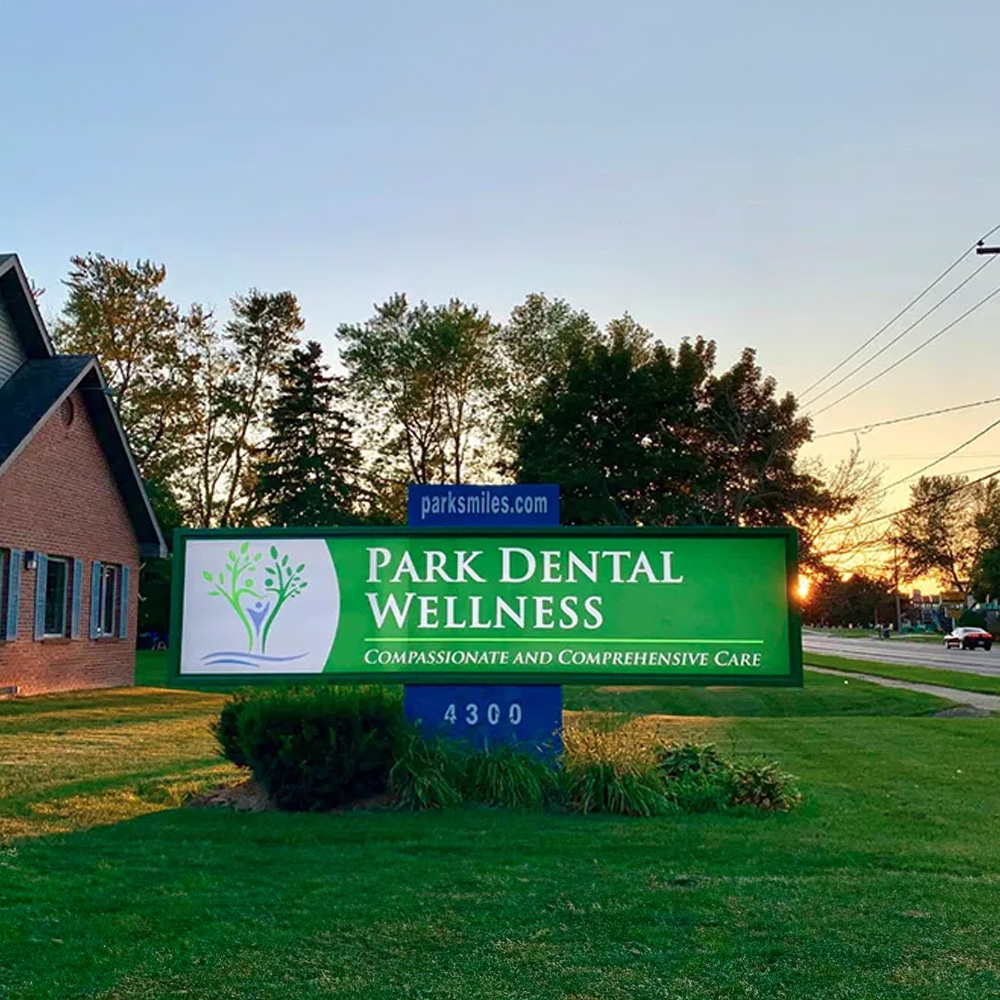
At Park Dental Wellness, reaching us is simple. Whether you have questions about treatments or are ready to schedule your next visit, our friendly team is here to guide you every step of the way. Call, email, or use our convenient online form—we’ll make sure your experience is easy, comfortable, and tailored to your needs.
Start your journey to a healthier, more confident smile today!