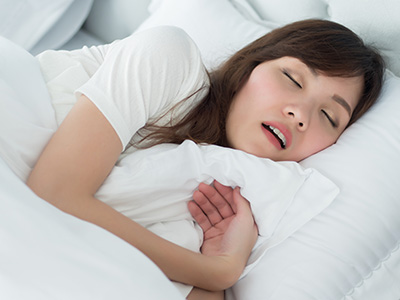
Snoring is the sound created when airflow through the mouth and nose causes relaxed tissues in the throat to vibrate during sleep. It’s a common phenomenon—many adults snore occasionally—but for some it becomes a nightly disturbance that affects sleep quality for the person who snores and anyone who shares their sleeping space.
While isolated snoring is often benign, habitual loud snoring can be a sign of a sleep-disordered breathing condition such as obstructive sleep apnea (OSA). Because the implications range from simple annoyance to a health concern, it’s important to evaluate persistent snoring rather than simply accept it as inevitable.
A number of anatomical and lifestyle factors influence whether someone snores and how severe their snoring may be. Identifying the most relevant contributors is the first step toward choosing an effective, personalized treatment plan.
Oral sleep appliances are dental devices worn during sleep that aim to modify the position of the jaw, tongue, and soft tissues to keep the airway more open. The most common type gently advances the lower jaw forward, increasing the space behind the tongue and reducing the tendency for tissues to vibrate and close off the airway. These devices are custom-fit to each patient’s mouth to balance comfort with effectiveness.
Unlike removable chewing guards or one-size-fits-all devices, professionally fabricated appliances are designed from impressions or digital scans so they fit snugly and distribute forces evenly across the teeth. Proper fit minimizes irritation and enhances retention through the night while keeping oral structures in the intended position.
Because oral appliances are worn only during sleep and do not require surgery or continuous machine operation, many patients find them to be a convenient, nondisruptive option. That said, their design and mechanism make them most appropriate for certain patterns of snoring and sleep-disordered breathing, so a clinical evaluation is essential before beginning treatment.
Before recommending an oral appliance, dental and medical professionals work together to determine whether a patient is a suitable candidate. For many, the first step is a thorough review of symptoms and, when indicated, referral for a sleep study or consultation with a sleep medicine specialist to rule out or confirm obstructive sleep apnea. Distinguishing between simple snoring and sleep apnea guides safe, effective care.
Primary snorers—those who snore without evidence of significant airway collapse or oxygen desaturation—are often good candidates for an oral appliance. Patients with mild to moderate obstructive sleep apnea may also benefit, depending on the severity of their condition and recommendations from their sleep physician. Factors such as dental health, jaw joint status, and oral anatomy influence suitability as well.
A collaborative approach helps ensure that any underlying medical issues are addressed. If sleep apnea is suspected or confirmed, continuous positive airway pressure (CPAP) or other medical therapies may be recommended; in some cases an oral appliance can be used as an alternative or in conjunction with medical treatment under clinical supervision.
The fitting process typically begins with a dental examination to assess teeth, gums, bite alignment, and the temporomandibular joints (TMJ). From there, the clinician takes precise impressions or digital scans of the mouth to create a model for the appliance. These records guide the laboratory fabrication so the device supports the jaw in the desired forward position while fitting comfortably over the teeth.
Once the appliance is made, a follow-up appointment is used to confirm fit and make minor adjustments. Patients are usually asked to wear the device for several nights and to report comfort, sleep quality, and any new symptoms. Follow-up visits in the weeks and months after fitting help fine-tune the advancement and address issues like soreness, excessive salivation, or looseness.
Long-term monitoring is important. Periodic dental checkups allow the clinician to inspect the appliance, evaluate tooth movement, assess jaw comfort, and ensure the device continues to perform as intended. Good home care—regular cleaning and proper storage—extends the device’s lifespan and supports oral health.
Many patients experience a meaningful reduction in snoring intensity and frequency with a properly fitted oral appliance, which can lead to better sleep continuity for both the patient and their bed partner. The portability and ease of use of oral devices are strong advantages for people who travel or who cannot tolerate other therapies.
However, oral appliances are not without limitations. They tend to be most effective for positional snoring, primary snoring, and mild to moderate obstructive events. They are generally less effective for severe OSA unless used as part of a broader treatment plan supervised by a sleep specialist.
Common side effects are typically mild and manageable: transient jaw soreness, tooth or gum discomfort, and temporary changes in bite or tooth position over extended use. In a small number of patients, TMJ symptoms can emerge or worsen. Regular dental follow-up helps detect and address these issues early so adjustments or alternative approaches can be considered if necessary.
Choosing an oral sleep appliance is a decision best made with clear information and coordinated care. Patients should expect a comprehensive assessment that considers sleep history, medical risks, dental status, and personal preferences. When an appliance is selected, realistic expectations—about benefits, the need for follow-up, and potential side effects—lead to better outcomes and higher satisfaction.
Maintenance is straightforward: daily cleaning, careful handling, and scheduled checkups preserve both oral health and the device’s function. If symptoms persist or change, return visits allow the clinician to modify the device or recommend alternative therapies based on evolving needs.
The team at Park Dental Wellness approaches sleep appliances with a patient-first mindset: careful evaluation, precise fitting, and ongoing monitoring to help each person find the most appropriate, sustainable solution for their sleep concerns.
For a clear assessment of whether an oral sleep appliance may help you or a loved one, contact us for more information and to schedule an appointment.


General sleep appliances are custom dental devices worn during sleep to help keep the upper airway open and reduce the vibrations that cause snoring. They are most commonly designed to hold the lower jaw in a slightly forward position, which enlarges the space behind the tongue and decreases airway collapse. Unlike one-size-fits-all products, professionally made appliances are fabricated from impressions or digital scans and adjusted to fit each patient precisely.
These appliances differ from continuous positive airway pressure (CPAP) machines in that they are intraoral, passive devices that require no external power source. They also differ from simple over-the-counter mouthguards because they are engineered to distribute forces evenly across the teeth and to balance effectiveness with long-term oral health. Selection of the appropriate device depends on individual anatomy, the pattern of sleep-disordered breathing, and coordination with medical providers when needed.
Oral sleep appliances work primarily by advancing the lower jaw, which increases the space behind the tongue and reduces the tendency of soft tissues to collapse into the airway. By changing the jaw position, these devices also alter tongue posture and can stabilize the soft palate, which reduces turbulent airflow and the tissue vibrations that produce snoring. The degree of advancement is carefully controlled to maximize airway benefit while minimizing strain on the jaw joints.
Custom fit and retention are important because a stable, comfortable appliance maintains the intended anatomical changes throughout the night. Proper design distributes occlusal forces across the dental arch to avoid isolated pressure points and to preserve tooth position. Follow-up adjustments are often required to titrate the device for symptom improvement and comfort.
Suitable candidates typically include adults who experience primary snoring or those with mild to moderate obstructive sleep apnea (OSA) when indicated by a medical evaluation. Dental suitability is also essential: candidates should have a sufficient number of healthy teeth for retention, stable periodontal support, and a jaw joint that tolerates controlled advancement. Patients with severe OSA, certain dental conditions, or unstable TMJ disorders may require alternative or adjunctive therapies.
Determining candidacy requires a coordinated assessment of sleep symptoms, medical history, and oral health. When OSA is suspected, a diagnostic sleep study and input from a sleep medicine specialist help guide safe and effective treatment planning. A collaborative decision-making process ensures the chosen option aligns with both respiratory and dental considerations.
Sleep studies and medical evaluations are central to distinguishing simple snoring from clinically significant sleep-disordered breathing that requires medical management. A diagnostic test, whether an in-lab polysomnogram or an appropriately validated home sleep apnea test, provides objective information about breathing events, oxygen levels, and sleep architecture. These data inform the choice of therapy and identify patients for whom CPAP or other medical interventions are preferred.
Dental professionals typically collaborate with sleep physicians to interpret test results and to coordinate care when an oral appliance is being considered. When testing confirms mild to moderate OSA, an oral appliance can be an effective option under medical supervision; if testing reveals severe OSA or significant oxygen desaturation, medical therapy or combined approaches may be advised. Ongoing communication between providers ensures safe, evidence-based treatment.
The evaluation begins with a comprehensive dental exam that assesses teeth, gums, bite alignment, and temporomandibular joint function to determine the feasibility of an oral appliance. The clinician records precise impressions or digital scans and may take bite registrations to capture the desired level of mandibular advancement. These records are used to fabricate a custom device that balances effectiveness with long-term comfort.
After delivery, the appliance is checked and adjusted for fit and retention, and patients are instructed on insertion, removal, and home care. A titration period follows during which the amount of advancement may be adjusted based on symptoms, comfort, and recommendations from the dental team. Scheduled follow-up visits allow the clinician to monitor response and to make incremental changes as needed.
A properly fitted oral appliance can reduce the frequency and loudness of snoring and may improve sleep continuity for both the wearer and their bed partner. In cases of mild to moderate obstructive events, these devices can lower the number of breathing interruptions and reduce daytime sleepiness when used consistently. The compact, noninvasive nature of oral appliances also makes them an attractive option for people who cannot tolerate other therapies.
Additional practical benefits include portability for travel and the absence of external tubing or masks, which some patients find improves comfort and adherence. The convenience of an appliance that is worn only during sleep can support long-term use for appropriate candidates, provided regular dental monitoring is maintained. Realistic expectations and coordinated medical oversight contribute to meaningful outcomes.
Common side effects are generally mild and may include transient jaw soreness, tooth or gum discomfort, increased salivation, or temporary changes in bite alignment. These effects often diminish as the patient adapts, but persistent symptoms should prompt evaluation and adjustment of the device. In a minority of cases, prolonged use can lead to measurable tooth movement or changes in occlusion that require monitoring.
Less commonly, patients may experience or exacerbation of temporomandibular joint symptoms; when this occurs, clinicians reassess advancement settings, fit, and overall suitability. Regular dental follow-up helps identify early signs of complications so that the device can be modified, replaced, or discontinued in favor of other treatments if necessary. A careful risk–benefit discussion before starting therapy supports safe care.
Daily cleaning helps prevent biofilm build-up and preserves both oral health and appliance function; rinse the device after removal and gently brush it with a soft toothbrush and mild, nonabrasive soap. Avoid hot water or abrasive pastes that can warp or scratch the material, and allow the appliance to air dry before storing it. Periodic soaking in an appropriate denture or appliance cleaner may be recommended by your clinician for deeper cleaning.
Store the appliance in a ventilated case to protect it from damage and to reduce microbial growth, and inspect it regularly for cracks, wear, or loose components. Bring the device to dental follow-up visits so the clinician can assess fit and material condition and make timely repairs or replacements. Proper daily care and scheduled professional checks extend the useful life of the appliance and support oral health.
CPAP remains the first-line treatment for many cases of moderate to severe obstructive sleep apnea because it provides reliable airway support and oxygenation. Oral appliances are often considered for primary snoring, positional snoring, and mild to moderate OSA, or for patients who cannot tolerate CPAP. In some clinical scenarios, an oral appliance may be used in conjunction with CPAP or other therapies to improve comfort or adherence, but such combinations should be directed by a sleep medicine specialist.
Decisions about using an appliance alone or with CPAP depend on objective sleep data, symptom severity, and the patient's overall health status. Coordination between the dental provider and the sleep physician ensures that respiratory risks are managed and that the chosen approach delivers safe, effective results. Regular reassessment helps determine whether therapy adjustments are needed over time.
At Park Dental Wellness, long-term monitoring begins with scheduled follow-up appointments to assess fit, comfort, tooth position, and jaw joint health after the appliance is placed. These visits provide opportunities to retitrate advancement, address side effects, and inspect the device for wear or damage so that corrective steps can be taken promptly. The practice documents changes in symptoms and oral status to guide ongoing care.
Park Dental Wellness also emphasizes coordination with sleep medicine professionals when indicated, so objective reassessment or repeat sleep testing can be arranged if symptoms persist or evolve. Periodic dental exams and home-care reinforcement help maintain both oral health and device performance, ensuring that treatment remains safe and effective over the long term.
At Park Dental Wellness, reaching us is simple. Whether you have questions about treatments or are ready to schedule your next visit, our friendly team is here to guide you every step of the way. Call, email, or use our convenient online form—we’ll make sure your experience is easy, comfortable, and tailored to your needs.
Start your journey to a healthier, more confident smile today!