Digital impressions use a compact intra-oral scanner to capture a detailed, three-dimensional record of the teeth and surrounding soft tissues. Instead of filling a tray with impression material and holding it in the mouth until it sets, the clinician moves a wand-like scanner along the dental arches while software stitches together thousands of images into a single, accurate model. The result is an immediate digital file that can be reviewed, adjusted, and forwarded without the delays and mess associated with traditional impressions.
At their core, these systems combine high-resolution cameras, structured light or laser scanning, and intelligent software algorithms to detect surface geometry and replicate fine details like margins and occlusal anatomy. The scans are displayed in real time on a monitor, which lets the clinician check completeness and make rescans of any missed areas on the spot. This visibility reduces the chance of remakes and improves the predictability of downstream restorative work.
Because the output is a precise digital model, it integrates seamlessly with CAD/CAM platforms and dental laboratories. Whether the workflow leads to a same-day crown milled in-office or a lab-fabricated prosthesis, the digital file becomes the central source of truth for design, fit, and function. In short, digital impressions turn the physical impression process into a fast, flexible, and highly controlled digital workflow.
For many patients, the most immediate benefit of digital impressions is comfort. Traditional impressions can trigger gag reflexes, leave material tastes in the mouth, and require an extended period of stillness. Digital scanning eliminates those inconveniences: the scanner is small, noninvasive, and moved gently around the teeth, making the experience markedly less stressful for most people.
Beyond comfort, scanning often reduces chair time. Because the clinician can confirm scan quality in real time, fewer repeat visits are necessary to capture accurate data. This is especially helpful for patients with strong gag reflexes, limited mouth opening, or anxiety around prolonged procedures. Shorter, more focused appointments translate to a calmer visit and a smoother overall treatment experience.
The digital workflow can also improve communication between the dental team and patients. The three-dimensional images are easy to view and interpret, helping clinicians explain treatment needs, restorative options, and expected outcomes in clear, visual terms. Patients who can see a precise model of their mouth tend to feel more informed and involved in the decision-making process.
Accuracy is one of the defining advantages of digital impressions. High-quality scans capture fine surface detail and accurate margin definition, which are critical when fabricating crowns, bridges, veneers, and implant restorations. Better fit at the margin reduces the need for chairside adjustments and helps protect the tooth from secondary decay and periodontal complications.
Digital files allow consistent measurement and repeatable results. Unlike physical impressions, which can distort during removal, shipping, or stone-model fabrication, a digital scan remains stable and exact. This stability is particularly valuable for complex cases—such as multi-unit restorations or full-arch prosthetics—where small deviations can lead to poor fit or occlusal issues.
When combined with optical bite registration and digital occlusal analysis tools, intra-oral scans support a comprehensive restorative plan. The clinician can assess contacts, refine occlusion digitally, and collaborate with technicians or milling centers to optimize form and function. The end result is restorations that not only look natural but perform reliably over time.
Digital impressions transform the logistics of restorative dentistry. Once a scan is complete, the digital file can be transmitted instantly to a dental laboratory or in-office milling unit. This electronic transfer eliminates delays associated with packing, shipping, and potential deformation of physical impressions, shortening turnaround times for crowns, bridges, and other prostheses.
For practices equipped with CAD/CAM systems, scans can feed directly into design software that generates restorations ready for milling or 3D printing the same day. Same-day crowns and onlays are a practical benefit of this integration: patients leave with a final or provisional restoration in a single visit, reducing the need for temporary restorations and additional appointments.
Even when a laboratory produces the final restoration, digital communication enhances collaboration. Technicians receive clear, manipulable 3D models rather than a static physical impression, allowing finer control over anatomy, shade communication, and fit. The predictable digital workflow minimizes remakes and expedites delivery, improving practice efficiency and patient satisfaction.
Digital impressions are versatile and used across preventive, restorative, and orthodontic care. They serve well for crowns, bridges, veneers, inlays and onlays, implant abutments, and removable appliances. Orthodontic providers and clear-aligner labs also rely on scans to plan tooth movement and fabricate aligners with high precision. The technology supports both single-tooth procedures and complex full-arch rehabilitations.
For patients preparing for a scan, expectations are straightforward: the appointment will involve brief intraoral scanning instead of traditional impression trays. The clinician will guide the scanner to capture all relevant surfaces and may show the resulting 3D model on a screen. If the restoration is being fabricated in-office, patients should be prepared for a longer single visit; if the lab handles fabrication, the scan allows a faster, more accurate turnaround compared with conventional methods.
After the scan, follow-up steps depend on the planned treatment. When using CAD/CAM systems, the design and fabrication process begins immediately; for lab-fabricated work, the digital file is sent electronically and reviewed with the lab team. Throughout, the focus remains on minimizing revisions and achieving a restoration that fits comfortably and functions as intended.
Digital impressions represent a significant step forward in modern dentistry, improving comfort, precision, and workflow efficiency. At Park Dental Wellness, our goal is to integrate technologies that make care more predictable and patient-centered while maintaining high clinical standards. If you’d like to learn more about how digital scanning could improve your restorative or orthodontic care, please contact us for additional information.


Digital impressions are three-dimensional scans of teeth and soft tissues captured with a compact intraoral scanner that records surface geometry in real time. The scanner collects thousands of images or point clouds while software stitches them into a cohesive, accurate digital model that replaces traditional tray-and-putty impressions. This immediate file can be reviewed, rescanned as needed, and transmitted electronically to support restorative or orthodontic workflows.
These systems combine high-resolution optics, structured light or laser capture, and advanced algorithms to reproduce fine detail such as margins and occlusal anatomy. Scans display on a monitor while the clinician works, allowing instant verification of completeness and targeted rescanning of any missed areas. The result is a digital source of truth that integrates with CAD/CAM design and laboratory systems for predictable downstream results.
Many patients find intraoral scanning more comfortable than conventional impressions because the process eliminates bulky trays and impression paste that can trigger gagging or taste complaints. The scanner wand is small and noninvasive, and the clinician moves it gently around the arches, which reduces anxiety and discomfort for most people. Shorter, more focused scanning sessions also help patients with limited mouth opening or dental anxiety.
Because scans are checked in real time, fewer repeat appointments are typically needed to correct impressions, which shortens overall chair time. The visual 3D models help clinicians explain treatment more clearly, so patients feel informed and involved without prolonged procedures. Overall, the workflow tends to produce a calmer, more efficient visit.
High-quality digital scans capture fine surface detail and accurate margin definition that are essential for crowns, bridges, veneers, and implant restorations. Unlike physical impressions that can distort during removal, shipping, or stone-model fabrication, a digital file remains stable and repeatable once captured. This stability reduces the likelihood of remakes and chairside adjustments when laboratory partners or in-office milling units use the same precise file.
Accuracy for multi-unit or full-arch restorations depends on the scanner technology, scanning protocol, and operator technique, so clinician training and system choice matter. When combined with optical bite registration and digital occlusion tools, intraoral scans support comprehensive planning and consistent restorative outcomes. For complex cases, clinicians may use additional verification steps to ensure the best possible fit and function.
Digital impressions are versatile and commonly used for single crowns, bridges, veneers, inlays and onlays, implant abutments, and removable appliances. Orthodontic providers and clear-aligner labs also rely on scans to plan tooth movement and fabricate aligners with precise fit. The technology supports both isolated tooth restorations and more extensive rehabilitations when integrated into a comprehensive treatment plan.
When a practice has CAD/CAM capability, scans can feed directly into design software for same-day restorations; when a laboratory fabricates the prosthesis, the digital file provides a clear, manipulable model for the technician. The predictable digital workflow helps minimize remakes and improves communication about anatomy, shade, and fit across the treatment team.
During the appointment the clinician will move a small wand-like scanner around your teeth and gums while a computer constructs a three-dimensional model on screen. You may be asked to bite, open or tilt your head briefly to capture occlusal relationships and soft-tissue margins, but the process is typically quicker and less intrusive than traditional impressions. If the scan is being used for an in-office same-day restoration, the visit may include additional design and fabrication time after the scan.
The clinician will review the scan immediately and rescan any areas that need additional detail, which reduces the chance of delayed remakes. After capture, the digital file is either sent electronically to a dental laboratory or used in the office for CAD/CAM design and milling. You will often be shown the 3D images so you can better understand the proposed treatment and expected outcomes.
Yes, when a practice is equipped with CAD/CAM design and milling or 3D printing systems, digital impressions can be the starting point for same-day crowns, onlays, and provisional restorations. The scan imports directly into design software to create the restoration geometry, which can then be milled or printed in-office for immediate delivery. This workflow eliminates shipping delays and reduces the need for temporary restorations in many cases.
Even when a laboratory produces the final prosthesis, digital files speed communication and reduce turnaround time compared with conventional impressions. At Park Dental Wellness, we integrate digital scanning with our restorative workflow to enhance precision and streamline coordination with trusted dental laboratories when same-day fabrication is not used.
Certain clinical conditions can challenge direct optical capture, such as very deep subgingival margins, limited access due to severe crowding, or highly reflective implant components that interfere with the scanner signal. In those situations clinicians may use retraction techniques, scan bodies, or adjunctive methods to improve capture quality, and occasionally a conventional material impression or a hybrid approach is chosen for predictable results. Most modern scanners, however, handle the majority of routine restorative and orthodontic cases without issue.
Operator experience and case planning influence whether a digital or conventional technique is most appropriate, so the clinician will select the method that delivers the best outcome for each patient. When necessary, additional verification steps such as try-in, provisional assessment, or laboratory confirmation provide extra assurance of fit and function. The goal is always a durable, well-fitting restoration with minimized revisions.
Digital impression files are transmitted electronically using secure, HIPAA-compliant channels or integrated laboratory portals that protect patient data during transfer. Electronic delivery eliminates the risks associated with packing and shipping physical impressions, and it enables technicians to manipulate 3D models for improved communication about anatomy and shade. Laboratories receive high-resolution, manipulable models rather than a static physical impression, which enhances predictability.
Clinical practices maintain information governance policies to safeguard stored files and control access, and patients who have concerns can request details about retention and sharing practices. When needed, clinicians can re-export files or create new scans to support remakes or future care, reducing the need for repeat physical appointments. At Park Dental Wellness, we follow standard privacy protocols to keep digital records secure while supporting efficient clinical collaboration.
Digital impressions capture surface anatomy and occlusal relationships but do not replace radiographs, periodontal charting, or other diagnostic tools that inform treatment planning. Optical bite registration and digital occlusal analysis are often included with scans, yet radiographic imaging and clinical examination remain essential for assessing underlying structures, root and bone health, and implant planning. The scan complements these records to form a comprehensive diagnostic picture.
For complex cases such as full-arch rehabilitation or implant-supported restorations, clinicians may combine intraoral scans with cone-beam computed tomography (CBCT) or physical verification models to ensure precise implant placement and prosthetic emergence profiles. Your care team will explain which records are necessary based on the specific treatment goals and complexity. The combined data support accurate planning and predictable restorative outcomes.
Precise digital capture of margins and occlusal anatomy helps produce restorations with improved marginal fit and contact relationships, which in turn reduce the need for chairside adjustments and lower the risk of secondary decay or periodontal complications. Consistent digital records allow technicians and clinicians to reproduce anatomy reliably, contributing to durable, well-functioning restorations. Proper occlusion and accurate contacts also minimize uneven wear and long-term mechanical issues.
Once a restoration is delivered, routine oral hygiene, regular professional evaluations, and occlusal checks remain important for longevity. If adjustments or remakes become necessary, the original digital file can often be accessed or a fresh scan captured to expedite reproduction. This ability to reuse or update digital records supports efficient maintenance and continuity of care over time.
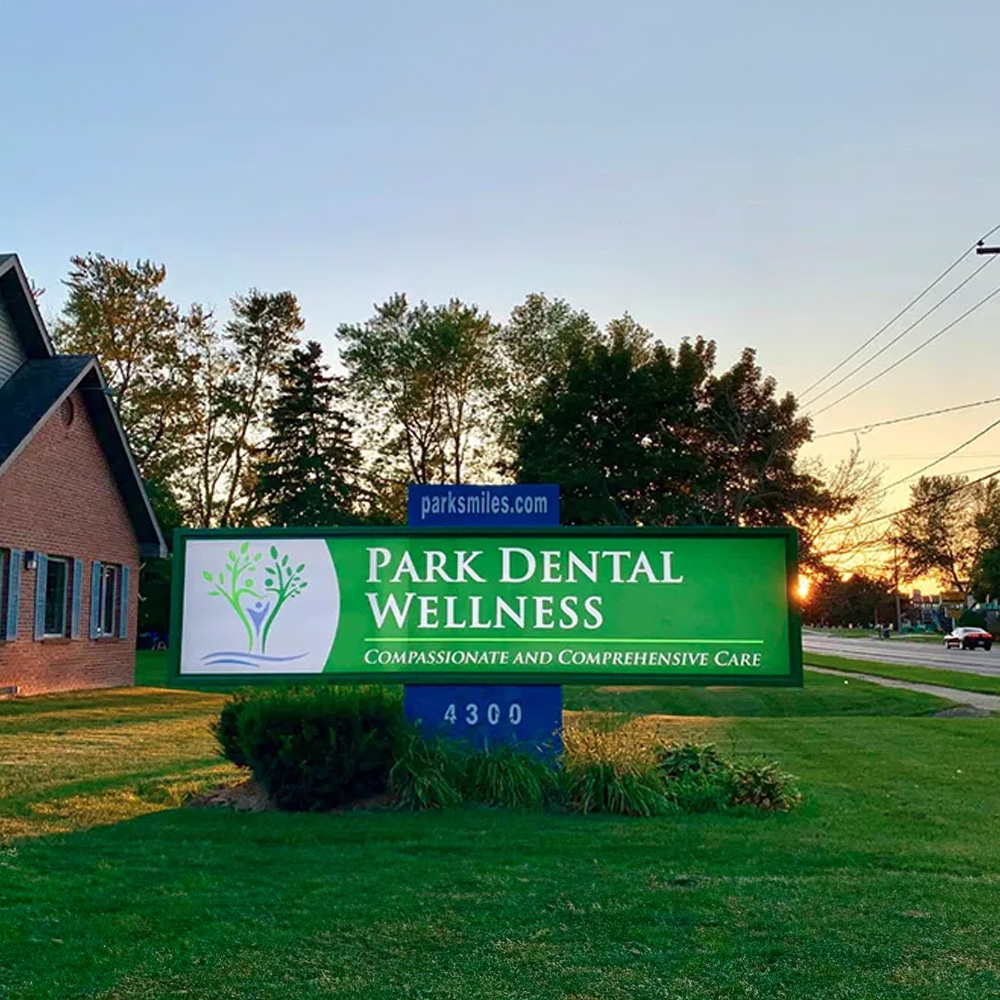
At Park Dental Wellness, reaching us is simple. Whether you have questions about treatments or are ready to schedule your next visit, our friendly team is here to guide you every step of the way. Call, email, or use our convenient online form—we’ll make sure your experience is easy, comfortable, and tailored to your needs.
Start your journey to a healthier, more confident smile today!