A confident smile can change the way you approach the world. Beyond aesthetics, an attractive, well-functioning smile supports clear speech, comfortable chewing, and long-term oral health. When patients feel good about their teeth, they tend to smile more often — and that simple shift can improve social interactions and self-confidence.
Concerns about discoloration, chips, minor gaps, or the general shape of teeth are very common. Advances in modern cosmetic dentistry make it possible to address these issues in ways that look natural and last. Whether someone needs a subtle enhancement or a more comprehensive aesthetic update, contemporary techniques and materials allow predictable, conservative solutions tailored to each patient.
At the office of Park Dental Wellness, our cosmetic work begins with listening. We start by understanding what you like — and what you’d prefer to change. Every smile is framed by the face, lips, and bite, so our recommendations balance appearance with function to achieve results that feel and perform naturally.
We combine careful visual assessment with digital imaging and clinical evaluation to present options that suit your goals. Some people seek a brighter, more uniform shade; others want to correct the contours of a single tooth or reshape several front teeth for a more harmonious look. Our aim is to suggest focused treatments that deliver meaningful improvements without unnecessary procedures.
Personalized planning also helps set realistic expectations. Cosmetic dentistry is as much about craftsmanship as it is about technology — thoughtful planning ensures each step contributes to a cohesive, comfortable outcome you can maintain for years.

Cosmetic dentistry sits at the intersection of art and clinical science. A pleasing smile depends on proportion, color, and balance, but it also depends on healthy supporting structures. We consider tooth position, gum contours, and bite relationships so that aesthetic enhancements do not compromise oral function.
Material advances — from durable ceramic veneers to improved composite resins — make it possible to mimic natural tooth structure closely. When paired with precise laboratory work or in-office digital restorations, these materials offer lasting color stability and strength while preserving tooth structure whenever possible.
Using modern diagnostics, we can simulate potential outcomes and identify any underlying issues such as wear, enamel defects, or uneven bite forces. Addressing these factors first often improves the longevity and appearance of cosmetic restorations, resulting in smiles that are both beautiful and resilient.
Cosmetic treatments range from minimally invasive touch-ups to more extensive restorative work. For small surface flaws, tooth-colored bonding and enamel reshaping can be quick, conservative fixes. Professional whitening is effective for brightening discolored teeth, while veneers and crowns are better suited to more substantial changes in shape, size, or color that need long-term durability.
Choosing the right option depends on tooth health, the extent of change desired, and the functional demands on the teeth. For example, a tooth with significant decay or prior root canal therapy may be a better candidate for a crown than for a thin veneer. Careful evaluation helps match each tooth to the most appropriate, conservative treatment.
Because every procedure has trade-offs, we aim to present clear comparisons, including expected lifespan, maintenance needs, and how the change will integrate with your overall oral health plan. This helps patients make informed decisions that align with both aesthetic goals and practical considerations.

Bonding uses tooth-colored composite to repair chips, fill small gaps, and mask minor stains. It is a conservative option because it typically requires minimal or no removal of natural tooth structure. Composite materials are layered and sculpted to restore shape and blend with surrounding enamel for a discreet result.
Modern tooth-colored fillings repair decay while preserving the appearance of the tooth. These composite restorations bond to the remaining tooth and can be matched closely to your shade, avoiding visible metal and helping teeth look uniform whether you are speaking or smiling.
Under dental supervision, whitening is a safe, effective way to reduce intrinsic and extrinsic stains and achieve a brighter smile. Clinically supervised approaches are customized to your needs and monitored to protect sensitivity and gum health, producing more reliable results than many over-the-counter solutions.
Veneers are thin, custom porcelain shells bonded to the front of teeth to improve color, shape, and alignment. When crafted and placed carefully, veneers provide a highly aesthetic outcome that corrects multiple issues at once while maintaining a natural translucency similar to enamel.
When a tooth requires extensive restoration due to damage or wear, a ceramic crown restores form and function while enhancing appearance. Crowns protect weakened teeth and can be color-matched and contoured to blend seamlessly with neighboring teeth.

Reestablishing a complete smile after tooth loss is important for appearance, chewing comfort, and long-term oral health. Options such as bridges, removable prostheses, and implant-based restorations each have roles depending on the number of missing teeth, bone support, and patient preferences.
Dental implants provide a stable foundation for single crowns or multi-tooth restorations and can preserve jawbone and adjacent tooth structure when used appropriately. Bridges and dentures remain valuable solutions in many cases; thoughtful planning ensures the chosen approach meets esthetic goals while supporting oral function.
We integrate cosmetic considerations into every restorative plan so replacement teeth match natural color, shape, and proportion. The result is a smile that looks deliberate and well integrated with your facial features rather than appearing prosthetic.
Successful cosmetic dentistry depends on detailed planning and regular maintenance. Digital imaging, diagnostic models, and careful shade selection help create predictable results. Before any permanent work, we often use provisional restorations or mock-ups so patients can see and approve the proposed changes.
Long-term success also relies on good daily hygiene and routine professional care. Many cosmetic restorations can last for years with proper maintenance, regular checkups, and attention to bite forces that might cause wear. We provide tailored recommendations to protect your investment and keep your smile looking its best over time.
At Park Dental Wellness, our focus is to deliver cosmetic care that respects each patient’s priorities and preserves oral health. If you’re considering enhancements to your smile, contact us to discuss options and learn how cosmetic dentistry can be planned to meet both appearance and health goals.


Cosmetic dentistry focuses on improving the appearance of teeth, gums and overall smile while maintaining or enhancing oral function. It includes procedures such as whitening, bonding, veneers, crowns and tooth-colored restorations that are selected for aesthetic outcomes as well as durability. General dentistry emphasizes preventive care, diagnosis and treatment of disease, and many cosmetic procedures are integrated into a broader plan that preserves oral health.
Both specialties share common goals—healthy teeth and comfortable function—but cosmetic work places extra emphasis on proportion, color and harmony with facial features. Treatments are planned with attention to bite relationships and supporting tissues so that aesthetic improvements do not compromise long-term oral health. Modern cosmetic care relies on conservative approaches that preserve natural tooth structure whenever possible.
Cosmetic dentistry can address discoloration, chips, small gaps, minor misalignment, uneven tooth shape and worn or fractured teeth. Whitening reduces intrinsic and extrinsic stains, while bonding and veneers can reshape and mask defects with tooth-colored materials. Restorations such as crowns or implant-supported crowns restore form and function when structural damage exists.
Beyond isolated tooth changes, cosmetic planning often considers gum contours and the relationship of teeth to the lips and face to create a balanced result. Addressing underlying issues such as enamel defects, wear or bite imbalances is part of achieving durable, attractive outcomes. The goal is to deliver predictable improvements that integrate with overall oral health.
Selection begins with a thorough clinical evaluation, digital imaging and discussion of the patient’s goals and expectations. Factors such as tooth health, existing restorations, bite forces, enamel thickness and the degree of change desired guide the choice between conservative options like bonding or more durable solutions like veneers or crowns. Diagnostic tools and mock-ups help clinicians and patients visualize outcomes and compare alternatives.
Prioritizing minimally invasive choices that meet the aesthetic objective while preserving tooth structure is a common principle in modern planning. When necessary, treatment sequencing addresses functional concerns first—such as managing wear or correcting bite issues—before definitive cosmetic work. Clear communication about maintenance requirements and realistic longevity also informs the final recommendation.
Professional whitening lightens intrinsic and extrinsic stains to create a brighter smile while being monitored to minimize sensitivity and protect gum health. Composite bonding repairs chips, fills small gaps and masks minor discoloration with a conservative approach that typically preserves enamel. Porcelain veneers are thin shells bonded to the front of teeth to change color, shape and alignment for a highly aesthetic result that mimics natural translucency.
Crowns provide full-coverage restoration when a tooth has extensive damage or prior treatment and can be matched to neighboring teeth for seamless integration. Implant-supported crowns and bridges replace missing teeth with restorations that restore chewing function and help preserve jawbone. Each procedure has specific indications and trade-offs, so choosing the right option depends on tooth condition, functional needs and the desired degree of aesthetic change.
Many cosmetic restorations are durable when planned and maintained appropriately; materials such as porcelain and modern composite resins are designed to resist wear and staining. Longevity depends on factors including the material chosen, the quality of the dental bonds or cementation, the patient’s bite forces and oral hygiene habits. Restorations placed after addressing underlying issues like bruxism or uneven wear tend to last longer.
Regular professional care, avoidance of destructive habits and timely attention to minor problems help extend the functional life of cosmetic work. Provisional restorations and careful occlusal adjustments during planning can reduce the risk of premature failure. Maintenance may include periodic polishing, replacement of worn bonding or occasional replacement of veneers or crowns as part of long-term care strategies.
Achieving natural results begins with detailed shade selection, analysis of tooth proportions and consideration of gum contours and lip dynamics. Digital imaging, diagnostic models and mock-ups allow visualization of proposed changes and let patients preview how alterations will relate to facial features. Lab-fabricated or digitally milled restorations are crafted to mimic the translucency and texture of natural enamel for seamless integration.
Aesthetic judgment is combined with clinical science by evaluating tooth position, occlusion and supporting tissues so that improvements do not create functional problems. Conservative tooth preparation and precise communication with dental technicians ensure that shape, color and surface character match neighboring teeth. The result is an enhancement that appears deliberate and balanced rather than artificial.
A smile makeover begins with a comprehensive consultation that includes medical and dental history, clinical examination, photographs and digital imaging to document the current condition. The clinician discusses goals, presents treatment options and may use mock-ups or temporary restorations to demonstrate likely outcomes. Diagnostic records and, when appropriate, collaboration with specialists help create a staged plan that addresses function, health and aesthetics in sequence.
Careful planning also anticipates maintenance needs and potential long-term considerations such as wear or changes in gum levels. Provisional restorations are often used to refine shape and function before finalizing work. Patients are encouraged to participate in decision-making so that the final plan aligns with their expectations and daily habits.
Dental implants provide a stable foundation for single crowns, multi-unit bridges or implant-retained prostheses and are a predictable option for replacing missing teeth while supporting surrounding bone. When placed and restored with attention to emergence profile, color and contour, implant restorations can match adjacent teeth closely and support natural-looking gum architecture. Treatment planning evaluates bone volume, adjacent tooth condition and overall occlusion to determine the optimal implant solution.
Implant-based restorations are integrated into cosmetic plans so that replacement teeth complement the smile rather than appearing prosthetic. In cases where implants are not feasible, carefully designed bridges or removable options can also meet aesthetic goals. Long-term success depends on surgical precision, prosthetic detail and ongoing oral hygiene to maintain peri-implant health.
Good daily hygiene—regular brushing with a nonabrasive toothpaste, flossing and use of interdental aids—helps protect cosmetic restorations and surrounding tissues from decay and gum disease. Patients should avoid habits that place excessive force on restorations, such as opening packages with teeth, chewing hard objects or chronic nail biting, and discuss night guards if bruxism is a concern. Periodic professional cleanings and checkups allow early detection of wear, marginal breakdown or staining so minor issues can be addressed before they escalate.
Specific maintenance varies by restoration type; for example, bonded composite may require periodic polishing while veneers and crowns benefit from careful home care and regular monitoring. The dental team provides individualized guidance on products and techniques that protect both natural teeth and restorations. Following the recommended schedule for exams and maintenance is key to preserving both appearance and function.
Before your consultation, consider your aesthetic goals and bring examples of smiles you find appealing to help communicate preferences during the visit. Gather information about your dental history, any prior restorations and concerns about sensitivity or bite problems so the clinician can evaluate functional factors that influence treatment choices. Expect a thorough exam, diagnostic images and a discussion of conservative and durable options tailored to your needs.
At the office of Park Dental Wellness you will receive a clear explanation of recommended steps, including any preparatory care needed to optimize outcomes. Mock-ups or provisional restorations may be used to preview changes and refine the plan before definitive work begins. Open communication about expectations and maintenance helps ensure predictable, long-lasting results.
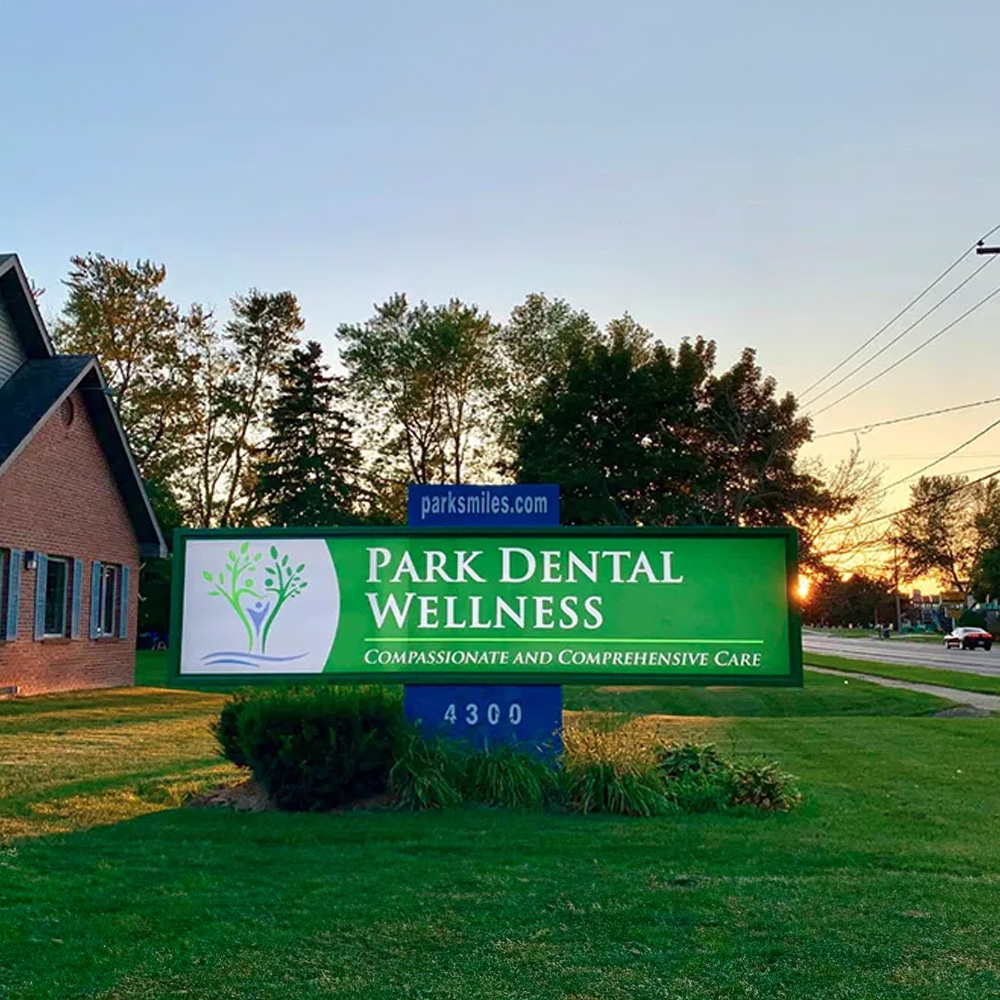
At Park Dental Wellness, reaching us is simple. Whether you have questions about treatments or are ready to schedule your next visit, our friendly team is here to guide you every step of the way. Call, email, or use our convenient online form—we’ll make sure your experience is easy, comfortable, and tailored to your needs.
Start your journey to a healthier, more confident smile today!