CO₂ Laser QuietNite® is an advanced, non-surgical treatment designed to help reduce snoring by gently tightening and strengthening the soft tissues of the airway. Using precise CO₂ laser energy, this innovative therapy targets one of the most common causes of snoring—the vibration of relaxed tissues in the back of the throat during sleep.
Unlike traditional surgical procedures, QuietNite® is non-invasive, comfortable, and requires no downtime. It offers an effective option for patients seeking snoring relief without appliances or surgery.
Snoring commonly occurs when the soft palate and surrounding throat tissues relax and vibrate as air passes through the airway. CO₂ laser energy is carefully applied to these tissues to create controlled thermal stimulation, encouraging collagen contraction and natural tissue tightening.
As the tissues become firmer, airway vibration is reduced and airflow improves, resulting in quieter breathing and more restful sleep.
CO₂ Laser QuietNite® treatments are performed in-office and typically require no anesthesia. Most patients report only a warm or mild tingling sensation during the procedure, with minimal to no discomfort afterward.
Each session is brief, and patients can resume normal activities immediately. Depending on individual needs and anatomy, a series of treatments may be recommended for optimal results.
QuietNite® offers a non-invasive approach to snoring reduction without the need for oral appliances or surgical intervention. There are no incisions, no removal of tissue, and no recovery period.
Many patients experience a noticeable reduction in snoring intensity and frequency, along with improved sleep quality for themselves and their partners.
CO₂ Laser QuietNite® is best suited for patients with primary snoring caused by relaxed or excess soft tissue in the airway. A thorough evaluation is necessary to determine whether snoring may be related to sleep apnea or another medical condition.
Patients diagnosed with obstructive sleep apnea may require alternative or additional therapies. QuietNite® is ideal for individuals seeking a conservative, appliance-free option to help reduce snoring.
CO₂ Laser QuietNite® provides a modern, patient-friendly solution for snoring by addressing the underlying tissue relaxation that contributes to airway vibration. This innovative laser treatment helps promote quieter nights and more restorative sleep—without surgery or disruption to daily life.


CO2 Laser QuietNite® is a minimally invasive, in-office treatment designed to reduce primary snoring by firming soft tissues in the upper airway. The procedure delivers focused CO2 laser energy to the soft palate and adjacent tissues, creating controlled thermal stimulation that encourages collagen contraction and gradual tissue tightening. By decreasing tissue laxity and vibration, QuietNite® often reduces the intensity and frequency of snoring.
This approach targets the anatomical contributors to snoring rather than masking symptoms, and it does so without incisions or tissue removal. Treatments are brief and typically well tolerated, which makes QuietNite® an option for patients seeking an appliance-free alternative. A thorough evaluation is still important to determine whether QuietNite® is appropriate for an individual's airway anatomy and sleep concerns.
A QuietNite® session is performed in a dental office and generally does not require general anesthesia; topical anesthetic or local numbing may be used for comfort. The clinician uses a specialized CO2 laser handpiece to deliver precise energy to selected areas of the soft palate and surrounding tissues while monitoring patient comfort and tissue response. Each treatment is short, often completed within a single office visit, and patients typically feel only warmth or mild tingling during the procedure.
Because there are no incisions or tissue removal, patients can usually return to normal activities immediately after treatment. Practitioners tailor the energy settings and target sites to the patient’s anatomy, and a staged series of sessions may be recommended to achieve optimal tightening. Follow-up visits allow the provider to assess tissue response and determine whether additional treatments are necessary.
QuietNite® is best suited for people whose snoring results primarily from relaxed or excess soft tissue in the soft palate and upper throat rather than from significant obstructive sleep apnea (OSA). Candidates typically have primary snoring or mild anatomical contributors that can be addressed with tissue tightening, and they should undergo an airway evaluation to rule out or assess the severity of OSA. Medical history, physical exam, and, when indicated, sleep testing help determine candidacy and whether alternative or adjunctive treatments are needed.
Patients with moderate to severe OSA, significant nasal obstruction, or other complex airway issues may require different therapies such as CPAP, oral appliances, or surgical referral. QuietNite® can be considered part of a multidisciplinary approach when airway anatomy and symptom profiles indicate potential benefit. A candid discussion with a qualified provider will clarify expectations and appropriate next steps.
Recovery after CO2 Laser QuietNite® is generally rapid because the procedure is non-incisional and minimally invasive. Patients may experience mild throat soreness, a scratchy sensation, or temporary mild swelling for a few days, and over-the-counter analgesics and soft foods are often sufficient to manage symptoms. Providers typically advise avoiding strenuous activity and very hot or spicy foods for a short period to allow tissues to settle.
Oral hygiene and follow-up appointments are important to monitor healing and treatment response, and clinicians will provide specific aftercare instructions tailored to each patient. Any concerning symptoms such as significant pain, bleeding, or signs of infection should prompt prompt contact with the treating office. Routine follow-up allows assessment of snoring improvement and planning for additional sessions if needed.
The number of QuietNite® sessions varies with individual anatomy and treatment goals; many patients receive a series of two to three treatments spaced several weeks apart to achieve progressive tissue tightening. Some individuals notice a reduction in snoring after the first session, while others experience incremental improvement over the course of the recommended treatment series. Tissue remodeling from laser-induced collagen contraction continues for weeks to months, so maximal benefit may appear gradually.
Maintenance needs differ among patients, and a provider will discuss expected timelines and criteria for additional treatments during follow-up. Periodic reassessment of symptoms and airway function helps determine whether booster sessions are warranted to maintain results. Realistic expectations and clear communication about the treatment plan contribute to satisfactory outcomes.
CO2 Laser QuietNite® is generally well tolerated, but like all procedures it carries potential risks and side effects that should be discussed with your provider. Common, short-term effects include mild throat soreness, transient swelling, a scratchy sensation, and minor discomfort while swallowing; these symptoms typically resolve within days to a couple of weeks. Less common risks include prolonged discomfort, localized scarring or stiffness, and, rarely, infection or altered voice quality.
A careful preoperative assessment and conservative energy settings help minimize complications, and clinicians provide guidance to manage expected side effects. Patients should report persistent or worsening symptoms so the treating team can evaluate and intervene if necessary. Informed consent prior to treatment will outline the specific risks relevant to an individual's health profile.
QuietNite® occupies a middle ground between conservative therapies like oral mandibular advancement devices and more invasive surgical approaches. Unlike oral appliances, QuietNite® does not require nightly wear and eliminates concerns about appliance compliance or long-term dental changes, while remaining less invasive than traditional surgical procedures that remove or reposition tissue. Compared with surgery, QuietNite® avoids incisions, tissue excision, and extended recovery, offering a quicker return to normal activities.
The choice among these options depends on the underlying cause of snoring, severity of any sleep-disordered breathing, patient preference, and clinical findings. Oral appliances may be preferable for certain jaw-related issues and mild OSA, while surgery can be indicated for specific anatomic problems that require structural correction. A personalized evaluation helps determine whether QuietNite® alone, an appliance, surgery, or a combination is the most appropriate plan.
CO2 Laser QuietNite® is primarily indicated for reducing primary snoring and may benefit selected patients with very mild obstructive sleep apnea (OSA), but it is not a first-line therapy for moderate to severe OSA. When OSA is suspected, diagnostic testing such as an at-home or in-lab sleep study helps determine the severity and guide treatment decisions. Patients with moderate or severe OSA typically require evidence-based therapies such as CPAP, appropriately fitted oral appliances, or surgical interventions tailored to their condition.
In cases where mild OSA or positional factors coexist with palatal tissue laxity, QuietNite® might be considered as part of a comprehensive management plan, often in conjunction with other measures. Any patient with symptoms like excessive daytime sleepiness, witnessed apneas, or significant comorbidities should undergo a full evaluation before pursuing QuietNite® as a standalone treatment. Collaboration between dental providers and sleep medicine specialists improves safety and outcomes.
Preparation for a QuietNite® session is straightforward and will be discussed during your consultation; routine guidance often includes arriving with a clean mouth and following any specific pre-procedure instructions from the provider. Inform the clinician about current medications, bleeding disorders, recent illnesses, or changes in health, since these factors can influence treatment planning and safety. If local anesthetic or topical agents are planned, the team will explain what to expect during the visit.
Arranging light meals and avoiding alcohol or tobacco in the immediate pre- and post-treatment period can support comfort and healing, and having a plan for aftercare—such as soft foods and hydration—may be helpful. Bring any relevant medical records or prior sleep study results to the appointment to ensure a comprehensive assessment. Clear communication with the treating clinician helps set realistic expectations and ensures a smooth treatment experience.
At Park Dental Wellness, the process begins with a focused airway and oral exam to determine whether QuietNite® is an appropriate option and to rule out conditions that require different care. The evaluation may include discussion of sleep history, symptom questionnaires, and review of any prior sleep testing; when indicated, the team coordinates with sleep medicine specialists to ensure comprehensive assessment. Treatment plans are individualized, and providers explain expected outcomes, potential risks, and the recommended number of sessions.
Follow-up care includes scheduled visits to monitor healing, document changes in snoring, and determine whether additional treatments are needed to achieve desired results. The practice emphasizes patient education and ongoing assessment to support long-term airway health and sleep quality. If symptoms suggestive of sleep apnea arise or persist, the team will recommend further evaluation and collaborate with appropriate medical specialists.
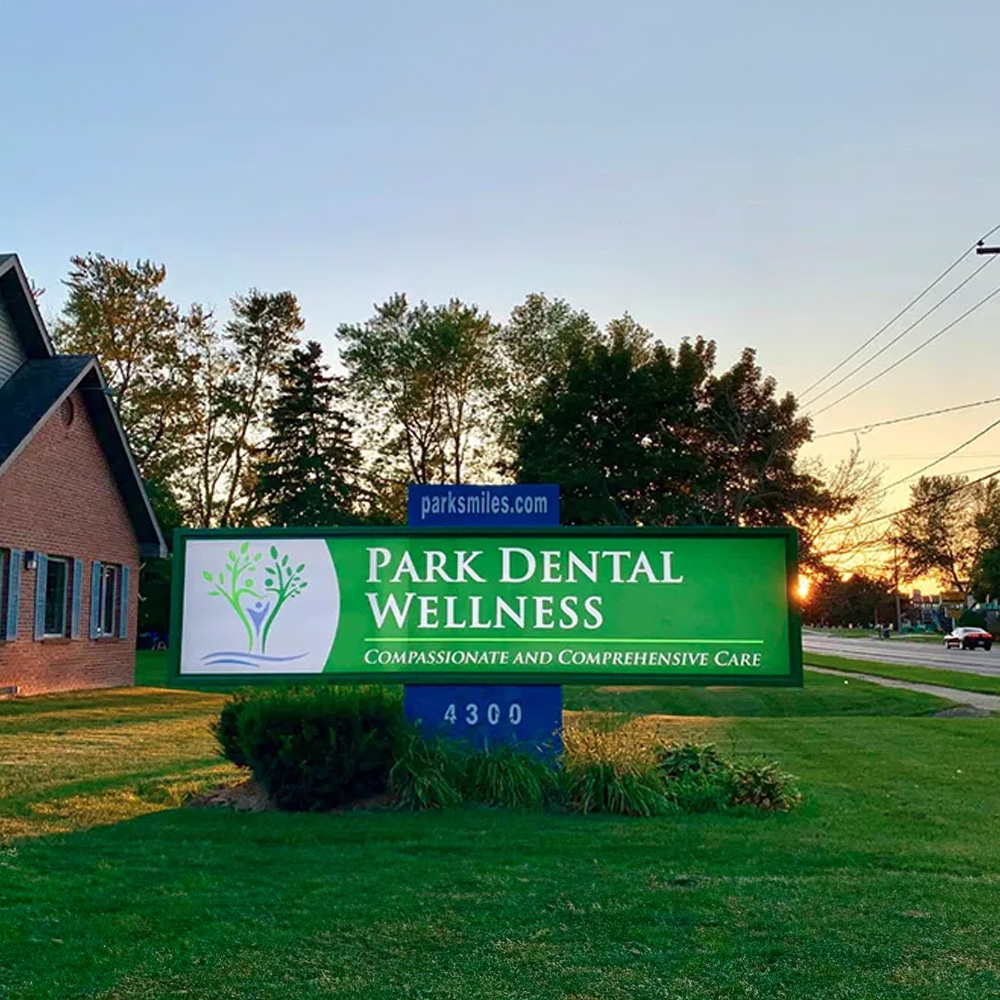
At Park Dental Wellness, reaching us is simple. Whether you have questions about treatments or are ready to schedule your next visit, our friendly team is here to guide you every step of the way. Call, email, or use our convenient online form—we’ll make sure your experience is easy, comfortable, and tailored to your needs.
Start your journey to a healthier, more confident smile today!